How to Get Rid of Powdery Mildew: A Complete Guide for Gardeners
Learn how to get rid of powdery mildew fast with proven natural and organic methods. Protect your plants with this complete guide.
BEGINNER'S GUIDE
4/13/20264 min read
🌿 The White Powder That Ruins Your Plants
You walk into your garden and notice something strange.
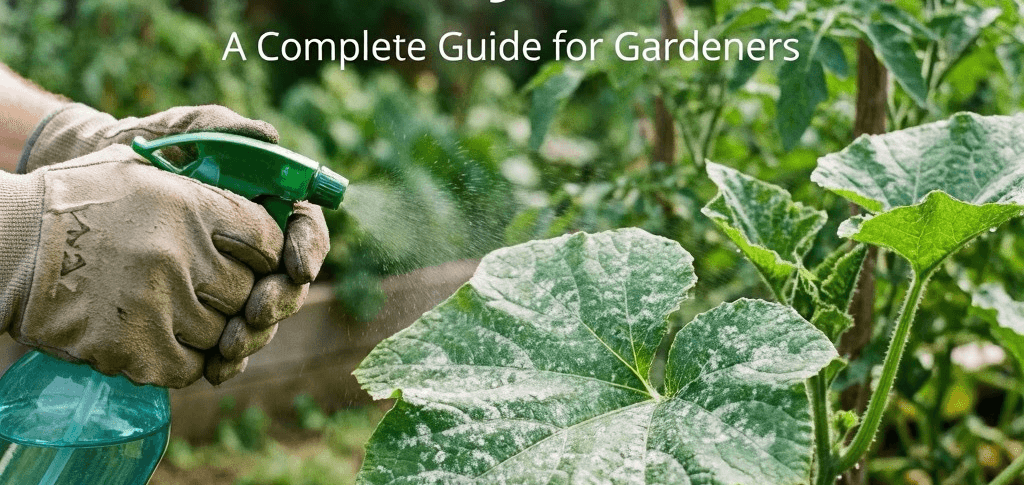
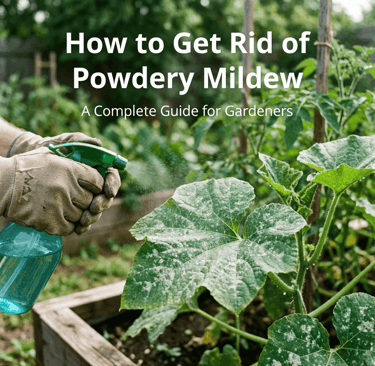
A white, dusty coating spreading across your leaves.
At first, it seems harmless. But within days:
Leaves start curling
Growth slows down
Plants look weak and unhealthy
If you’re dealing with powdery mildew, you’re facing one of the most common (and frustrating) plant diseases.
The good news?
👉 It’s completely manageable—and often reversible—if you act early.
In this guide, I’ll show you:
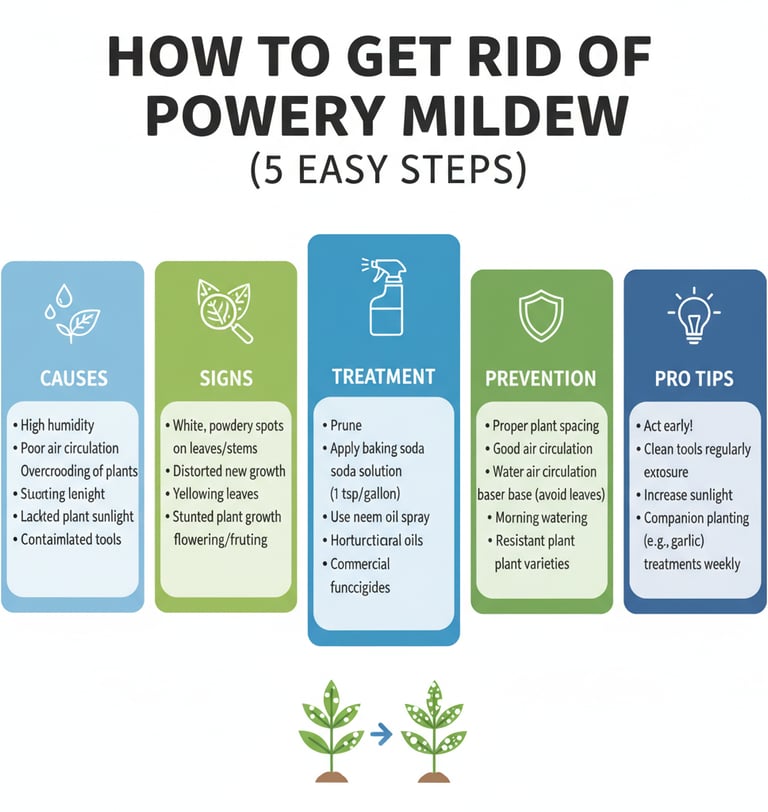
What causes powdery mildew
How to remove it step-by-step
Natural and effective prevention methods
What Is Powdery Mildew?
Powdery mildew is a fungal disease that appears as a white or gray powder on plant leaves, stems, and sometimes flowers.
Why It Spreads So Fast
Thrives in warm, dry climates
Spreads through airborne spores
Grows quickly in crowded plants
👉 According to the United States Department of Agriculture, fungal diseases like powdery mildew can significantly reduce plant productivity.
🌱 What Causes Powdery Mildew?
Understanding the cause helps you stop it faster.
Common Causes
Poor air circulation
High humidity
Overcrowded plants
Lack of sunlight
👉 Research from University of California Agriculture and Natural Resources highlights airflow and sunlight as key prevention factors.
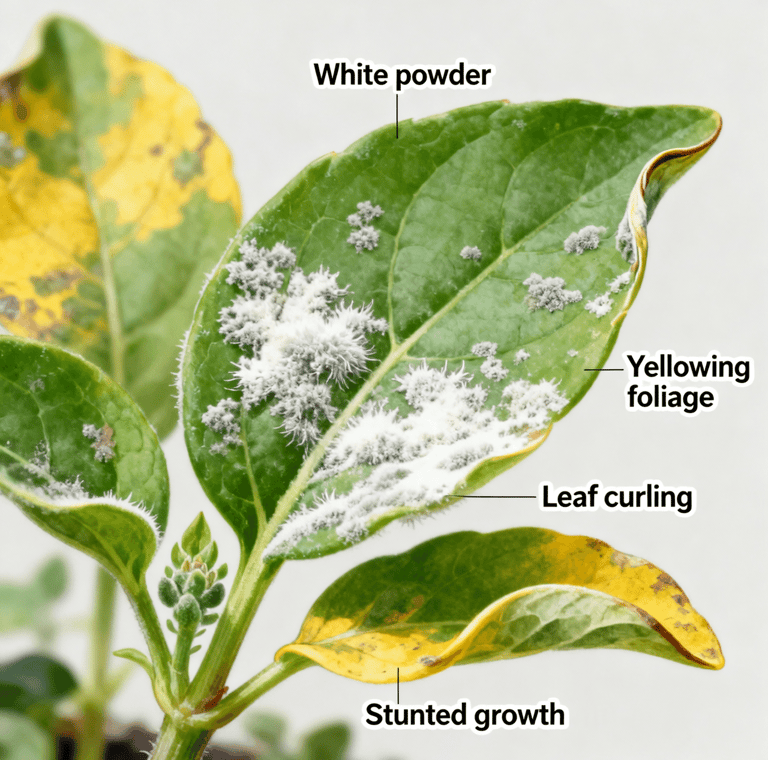
⚠️ Signs of Powdery Mildew
Look for these early warning signs:
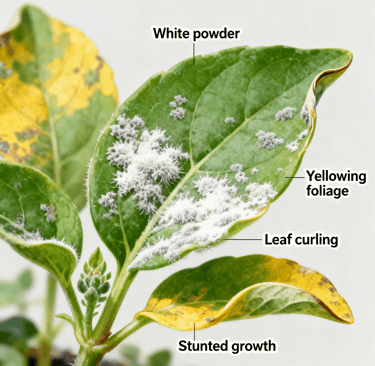
White powder on leaves
Yellowing foliage
Leaf curling
Stunted growth
Real-Life Example
A home gardener noticed white patches on zucchini leaves. Within a week, the disease spread across multiple plants—showing how quickly powdery mildew can take over.
🧪 Step-by-Step: How to Get Rid of Powdery Mildew
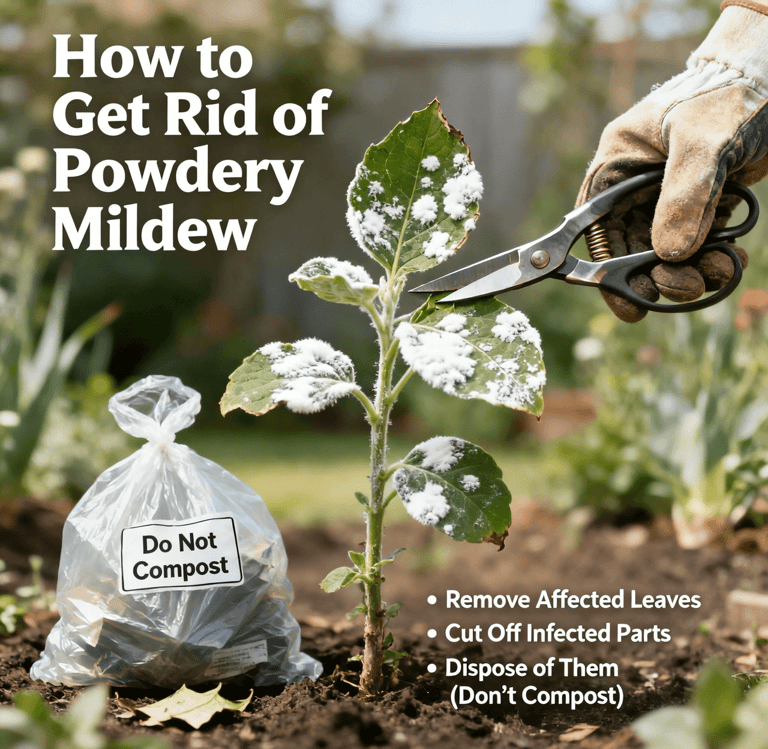
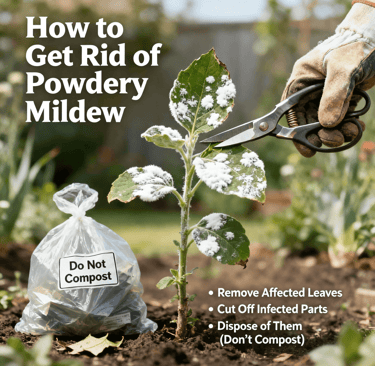
Step 1: Remove Affected Leaves
Cut off infected parts
Dispose of them (don’t compost)
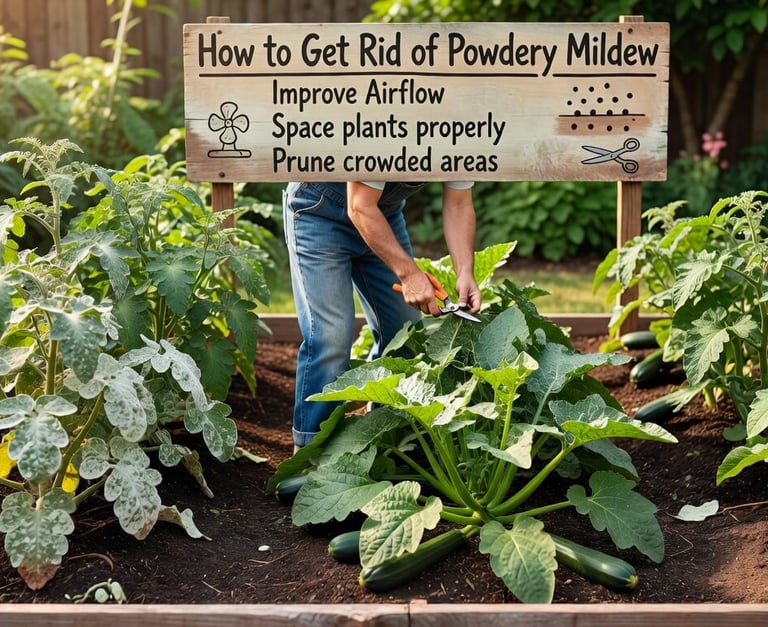
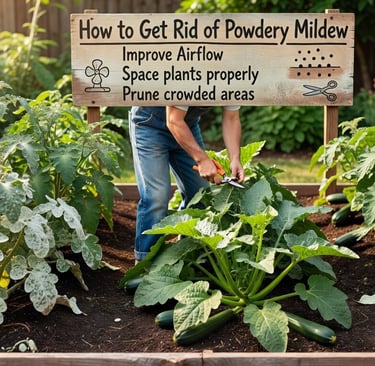
Step 2: Improve Airflow
Space plants properly
Prune crowded areas
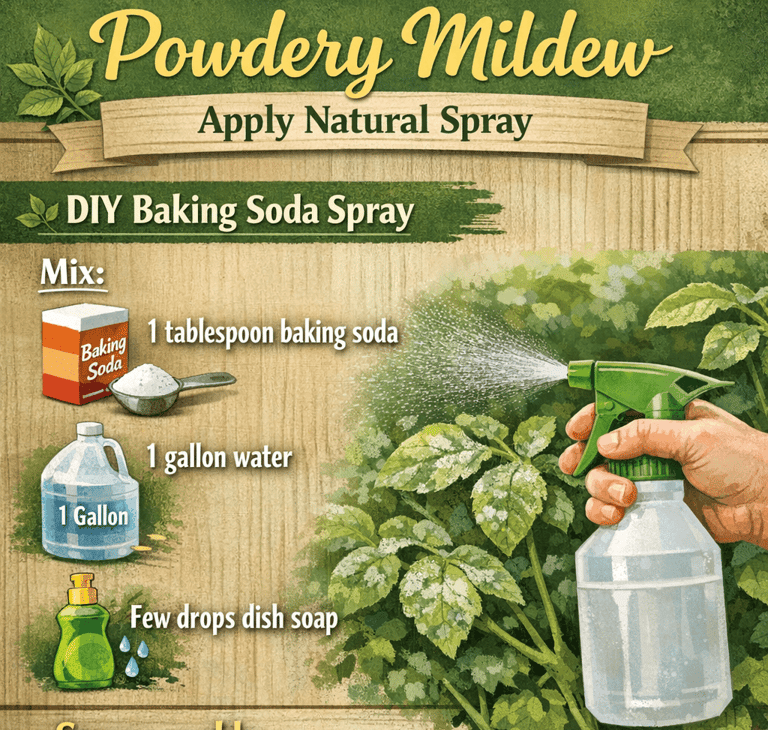
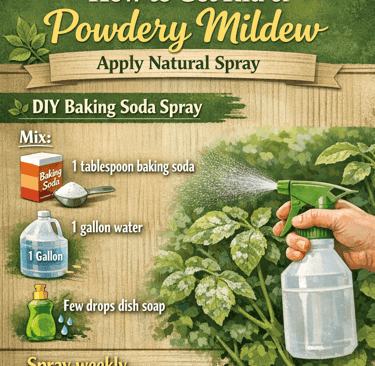
Step 3: Apply Natural Spray
DIY Baking Soda Spray
Mix:
1 tablespoon baking soda
1 gallon water
Few drops dish soap
Spray weekly.
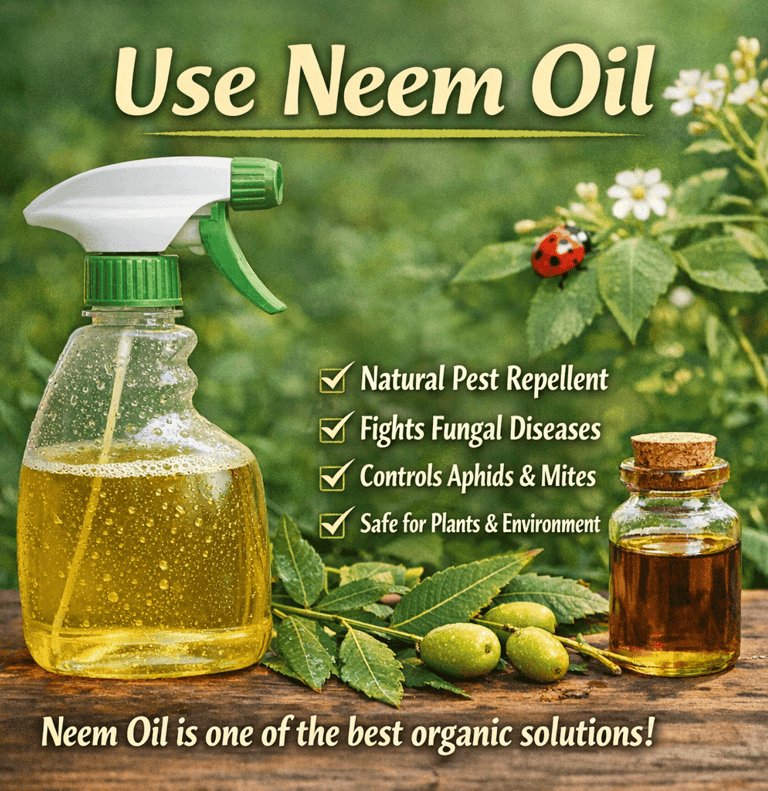
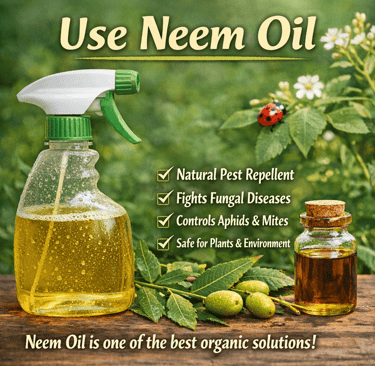
Step 4: Use Neem Oil
Neem oil is one of the best organic solutions.
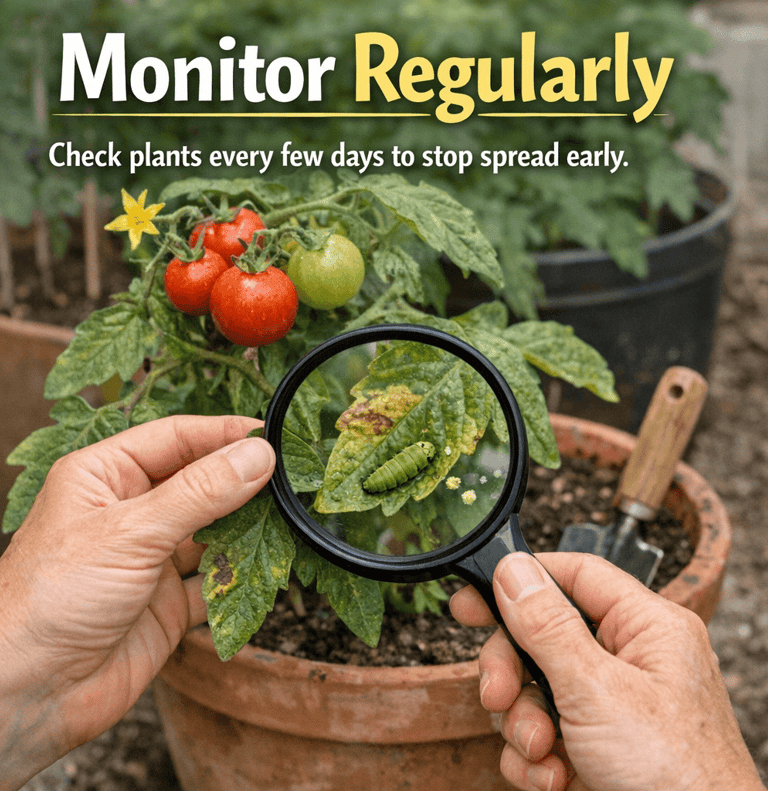
Step 5: Monitor Regularly
Check plants every few days to stop spread early.
🌿 Best Natural Remedies for Powdery Mildew
🌼 Neem Oil
Kills fungus
Safe for plants
🥛 Milk Spray
Mix milk and water (1:2 ratio)
Proven to reduce mildew
🌿 Vinegar Spray
Mild antifungal effect
🌱 How to Prevent Powdery Mildew
Prevention is always easier than treatment.
Simple Prevention Tips
Plant in sunny areas
Avoid overhead watering
Space plants properly
Water early in the day
Pro Tip
👉 Healthy plants are less likely to get infected.
🛠 Recommended Products (Amazon Picks)
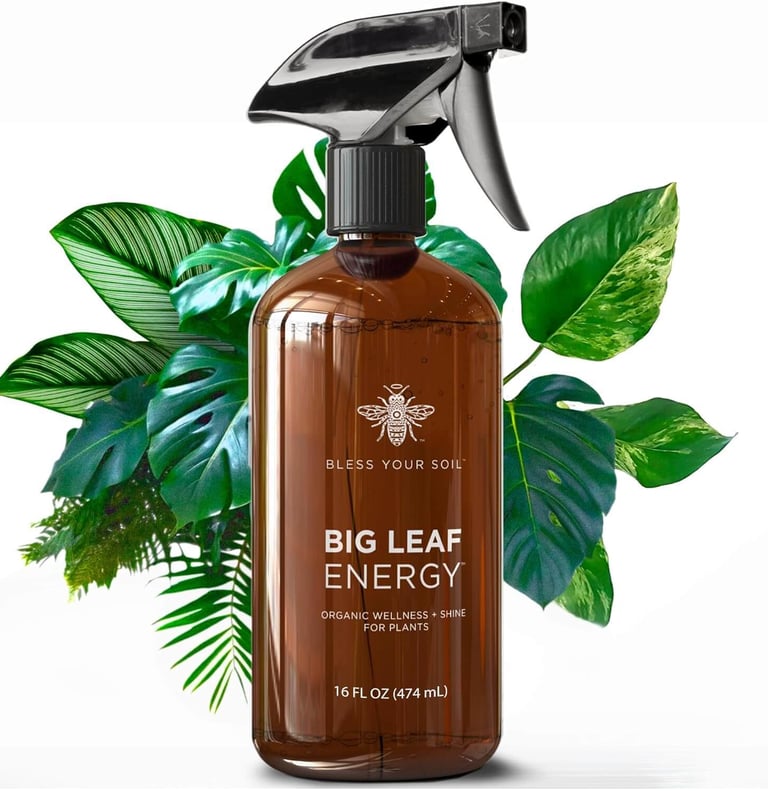
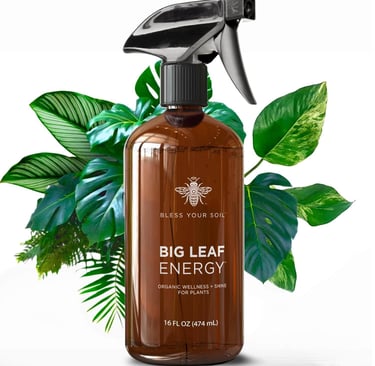
1. Neem Oil Spray
Best For: Organic treatment
Pros:
✔ Effective
✔ Safe for vegetables
Cons:
✘ Needs regular application
Price Range: $10–$25
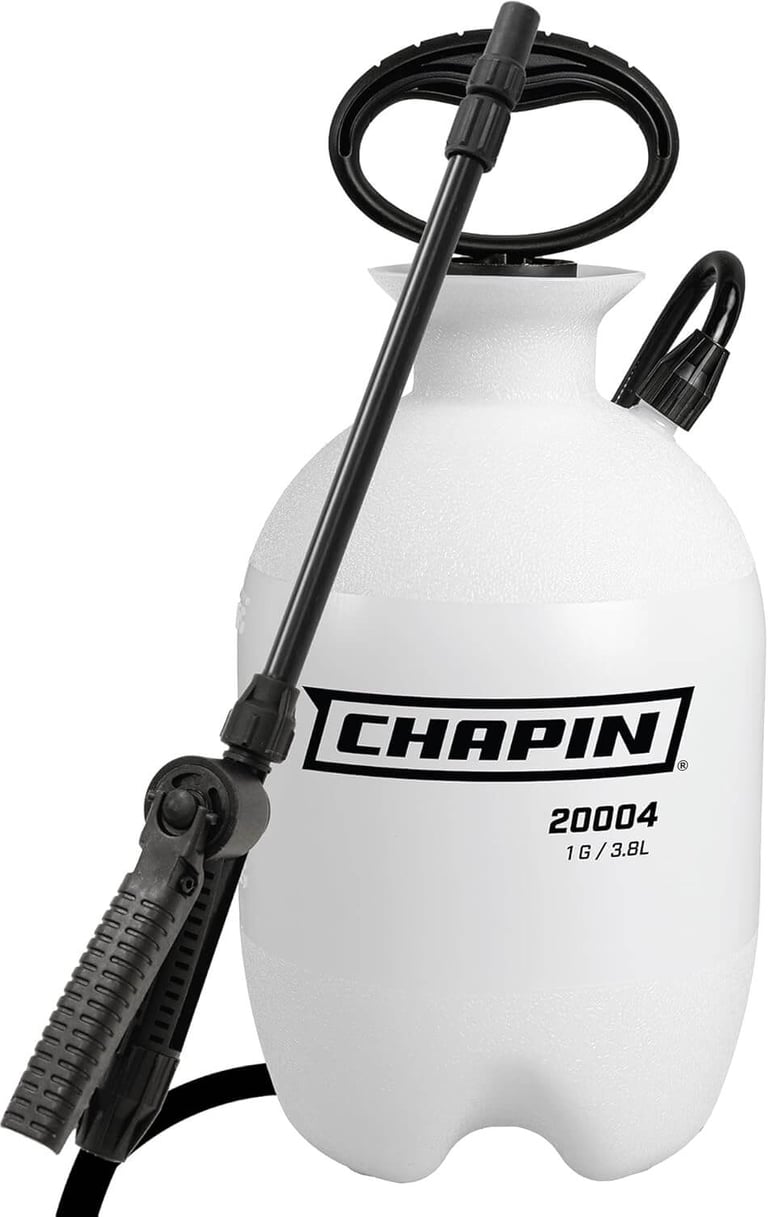
2. Garden Sprayer
Best For: Easy application
Pros:
✔ Even coverage
✔ Saves time
Cons:
✘ Requires cleaning
Price Range: $15–$40
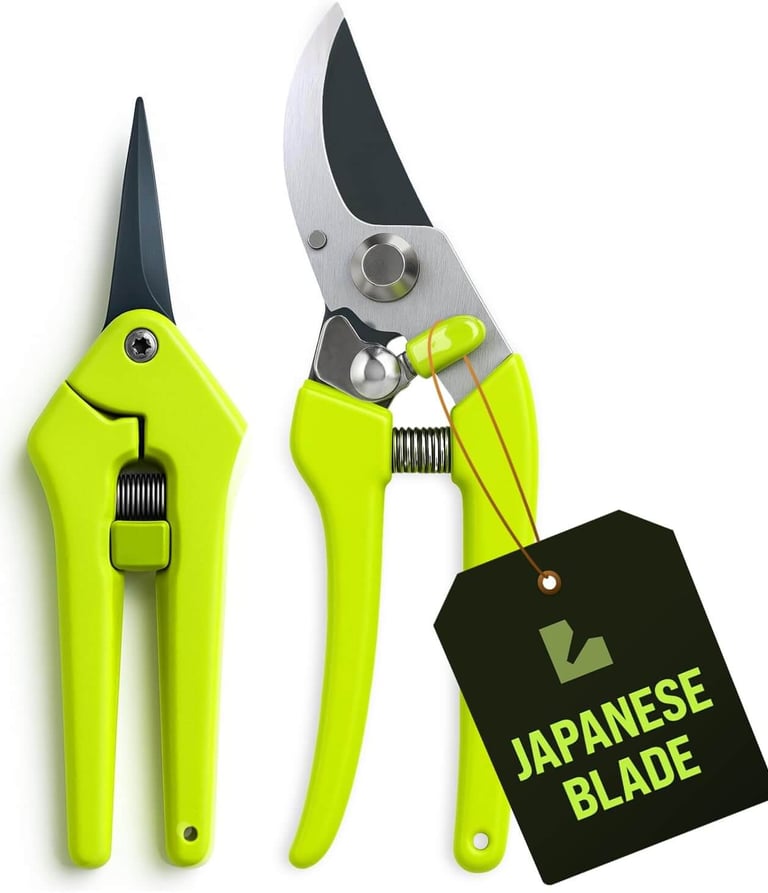

3. Pruning Shears
Best For: Removing infected leaves
Pros:
✔ Sharp cuts
✔ Durable
Cons:
✘ Needs maintenance
Price Range: $15–$35
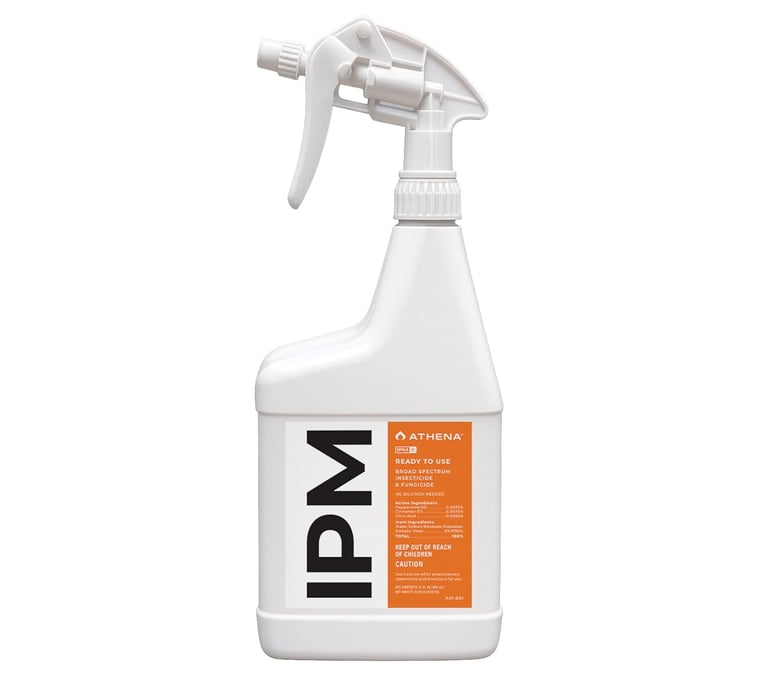
4. Fungicide Spray (Organic)
Best For: Severe cases
Pros:
✔ Strong protection
Cons:
✘ More expensive
Price Range: $20–$50
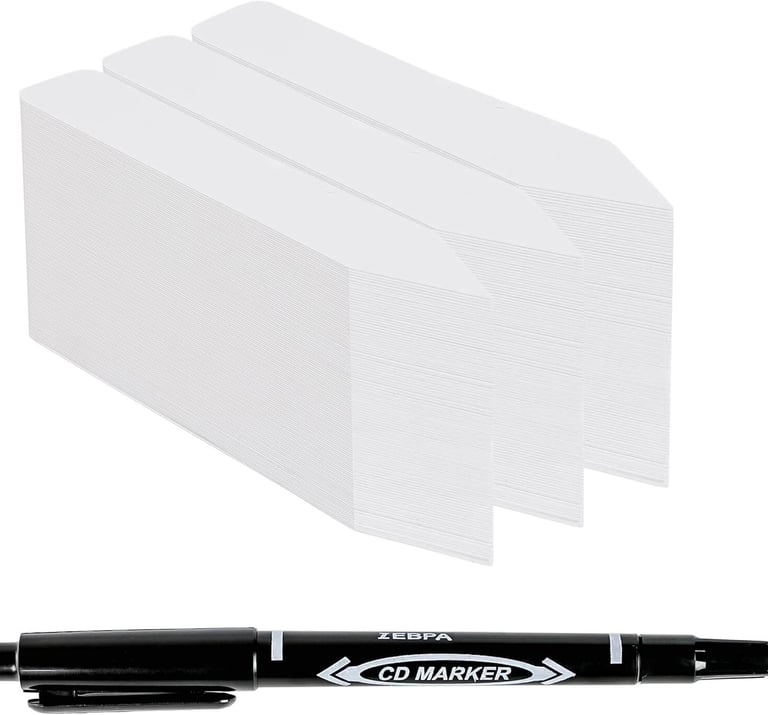
5. Plant Spacing Markers
Best For: Proper spacing
Pros:
✔ Improves airflow
Cons:
✘ Not essential
Price Range: $10–$20
Affiliate Disclosure
As an Amazon Associate, HonestGardener.com earns from qualifying purchases at no extra cost to you.
🌿 Real-Life Gardening Scenario
A gardener noticed powdery mildew on cucumbers.
They:
Removed infected leaves
Applied neem oil weekly
Improved spacing
Result:
👉 Plants recovered within 2–3 weeks and continued producing.
❓ Frequently Asked Questions (FAQ)
What is the fastest way to get rid of powdery mildew?
Remove infected leaves and apply neem oil or baking soda spray.
Can powdery mildew kill plants?
Rarely, but it weakens them and reduces yield.
Is powdery mildew harmful to humans?
No, but it affects plant health.
Can I prevent it completely?
You can reduce risk significantly with proper care.
📌 Key Takeaways
Powdery mildew is a common fungal disease
Early action is critical
Natural remedies are effective
Prevention is easier than treatment
🌿 Final Thoughts: Stay Ahead of the Problem
Powdery mildew can feel overwhelming—but it’s manageable.
Once you understand the causes and apply the right methods, you can protect your garden naturally.
Ready to protect your plants?
👉 Start with a simple neem oil spray today
👉 Explore more expert gardening guides on HonestGardener.com 🌱
Subscribe
Join us for tips and product reviews.
Contact
Affiliate disclaimer
© 2025. All rights reserved.
As an affiliate, we may earn a commission from qualifying purchases. We get commissions for purchases made through links on this website from Amazon and other third parties.