Organic Gardening Tips: A Complete Beginner-to-Expert Guide for Healthy, Chemical-Free Plants
Discover organic gardening tips to grow healthy plants naturally. Learn soil care, pest control, and eco-friendly gardening methods.
ECO-FRIENDLY GARDENING
4/2/20264 min read
Introduction: Why Your Garden Isn’t Thriving (Yet)
You water your plants.
You try fertilizers.
You even remove pests when you see them.
But still… your garden doesn’t look as healthy as you expected.
If that sounds familiar, you’re not alone.
The problem is that many gardeners rely on quick fixes instead of building a strong foundation. That’s where organic gardening tips make all the difference.
Instead of forcing growth with chemicals, organic gardening focuses on creating a natural, balanced ecosystem—and once you get it right, everything becomes easier.
In this guide, I’ll walk you through practical, real-world tips that actually work—whether you’re just starting or trying to improve your results.
What Is Organic Gardening?
Organic gardening means growing plants without synthetic fertilizers or pesticides. Instead, you rely on:
Natural compost
Healthy soil biology
Eco-friendly pest control
The goal is simple:
👉 Work with nature, not against it.
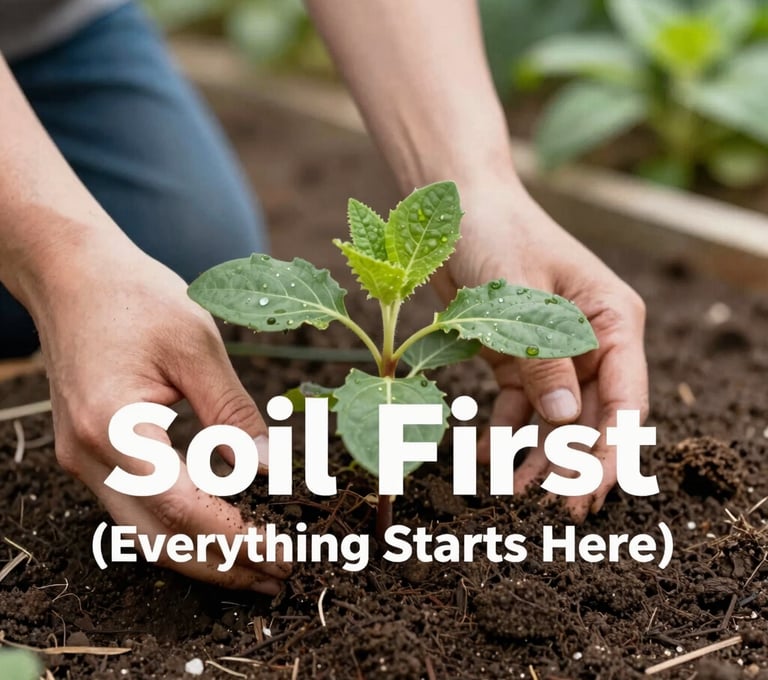
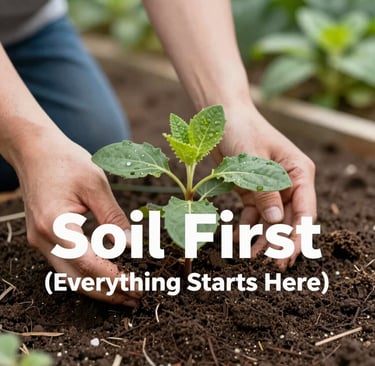
1. Focus on Soil First (Everything Starts Here)
Healthy plants always start with healthy soil.
If your soil is poor, no amount of watering or fertilizer will fix your garden long-term.
Step-by-Step: Improve Soil Naturally
Add compost regularly
Mix in organic matter (leaves, grass clippings)
Avoid over-tilling
Keep soil covered with mulch
Real-Life Example
A home gardener in Florida struggled with weak vegetable growth. After adding compost and mulch for one season, yields improved dramatically—without any chemical fertilizers.
Beginner Tip
Start simple:
50% garden soil
30% compost
20% organic material
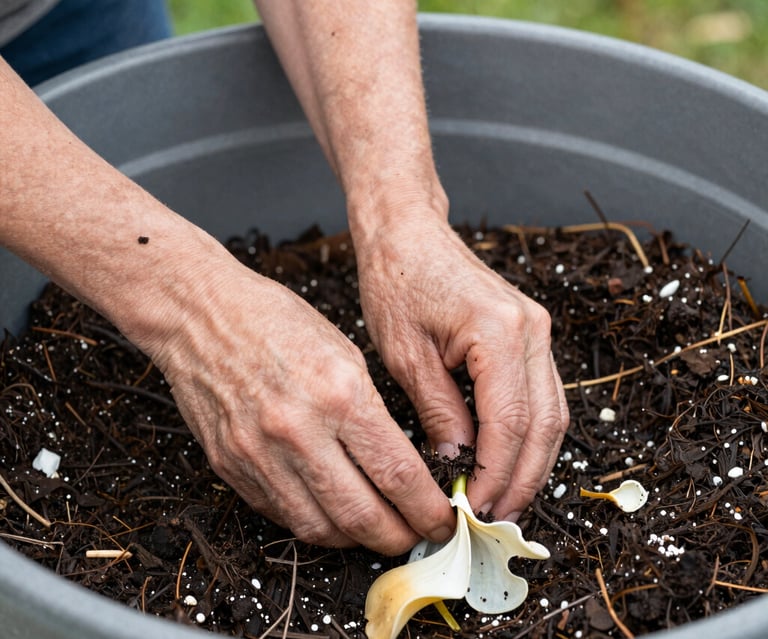
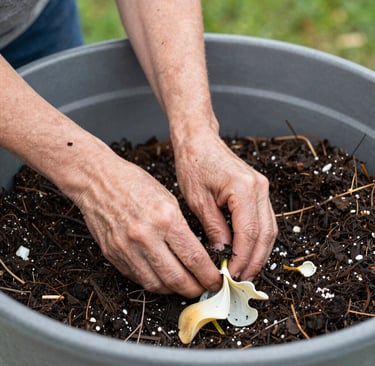
2. Composting: Turn Kitchen Waste Into Garden Gold
Composting is one of the easiest and most powerful organic gardening tips.
What You Can Compost
Vegetable scraps
Coffee grounds
Eggshells
Dry leaves
What to Avoid
Meat
Dairy
Oily foods
Why It Works
According to the United States Department of Agriculture, compost:
Improves soil structure
Increases nutrients
Boosts plant health
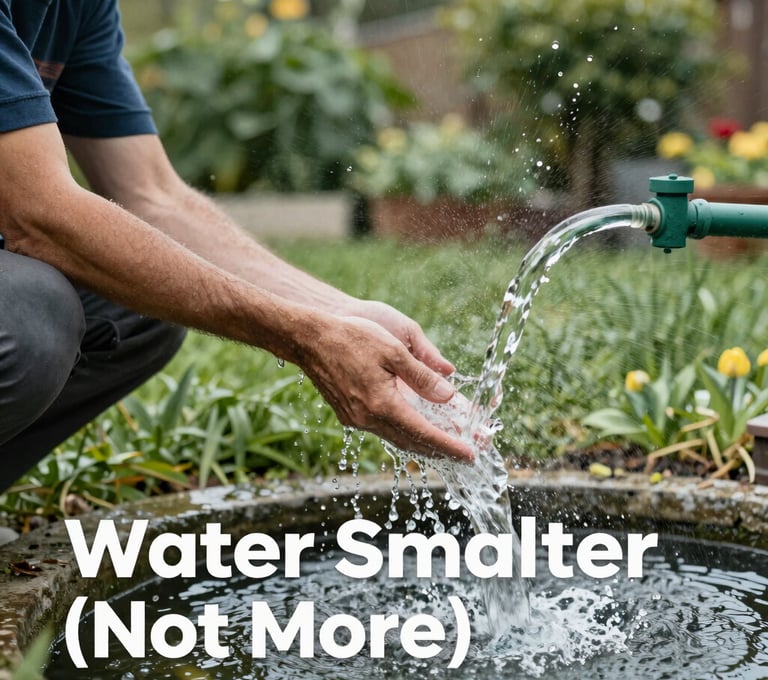
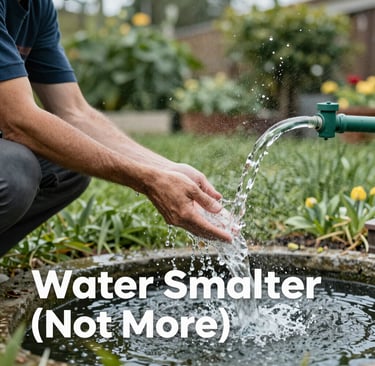
3. Water Smarter (Not More)
Overwatering is one of the most common mistakes beginners make.
Smart Watering Tips
Water early in the morning
Water deeply, not daily
Focus on roots, not leaves
Quick Test
Stick your finger into the soil:
Dry → Water
Moist → Wait
👉 Research from University of California Agriculture and Natural Resources shows deep watering leads to stronger root systems.
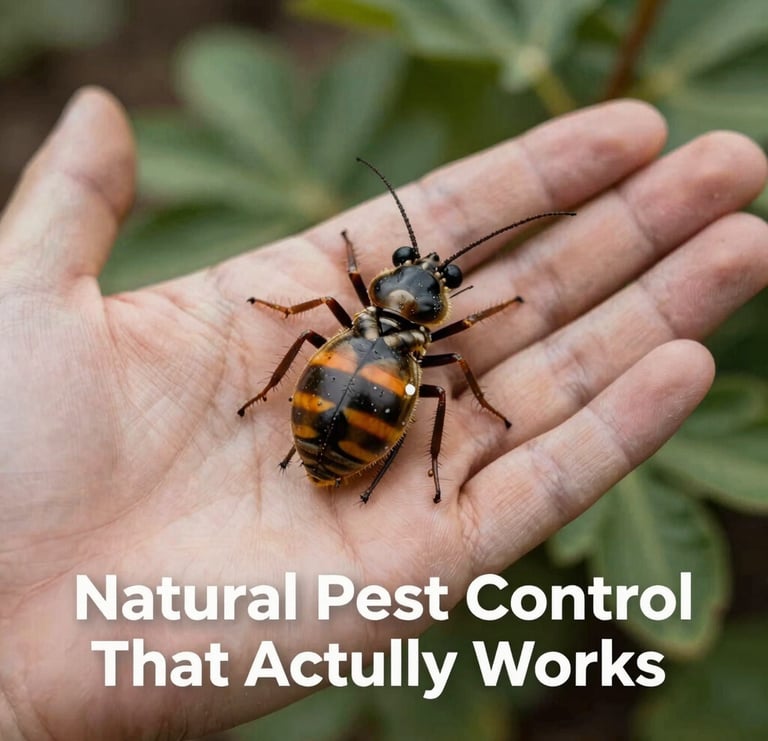
4. Natural Pest Control That Actually Works
Pests are part of gardening—but you don’t need chemicals to deal with them.
Effective Organic Solutions
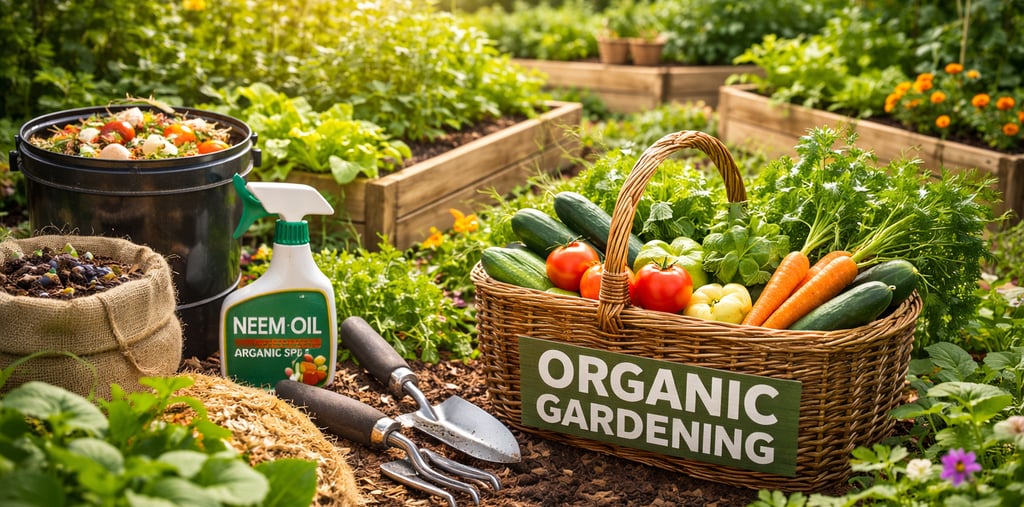
Neem oil spray
Companion planting
Hand-picking pests
Introducing beneficial insects
Real Scenario
A gardener dealing with aphids used neem oil and ladybugs instead of chemicals. Within two weeks, pest levels dropped significantly.
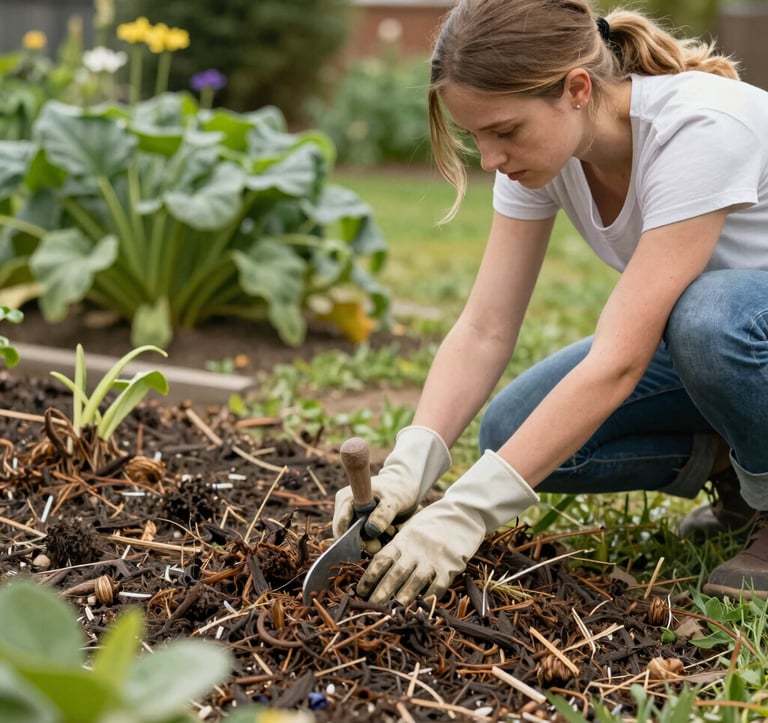
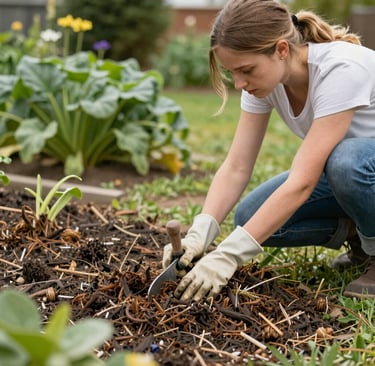
5. Mulching: The Easiest Upgrade You Can Make
If you do only one thing—mulch your garden.
Benefits of Mulch
Retains moisture
Reduces weeds
Improves soil over time
Best Mulch Types
Straw
Wood chips
Grass clippings
6. Choose the Right Plants (Work Smarter)
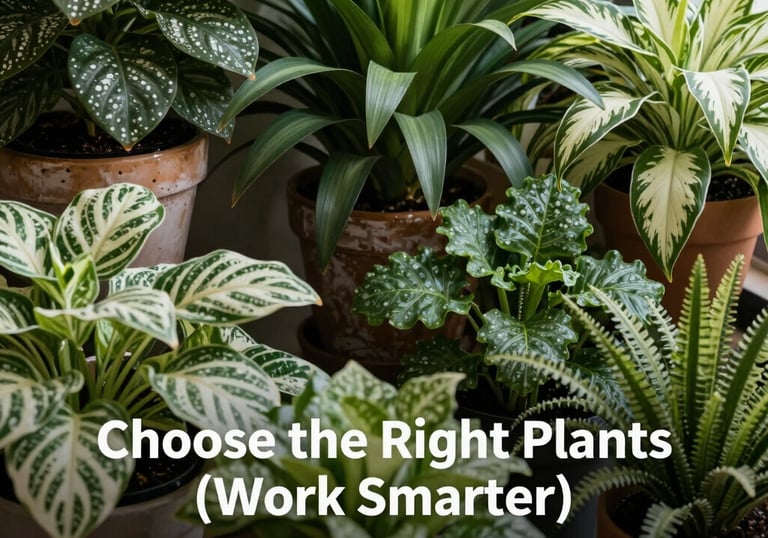
Not all plants are suited for every environment.
Best Choices for Organic Gardening
Native plants
Seasonal crops
Drought-resistant varieties
These require:
Less water
Less maintenance
Fewer inputs
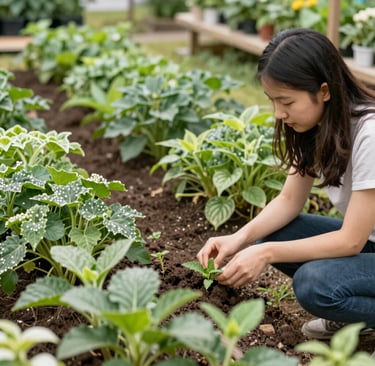
7. Companion Planting (Nature’s Teamwork)
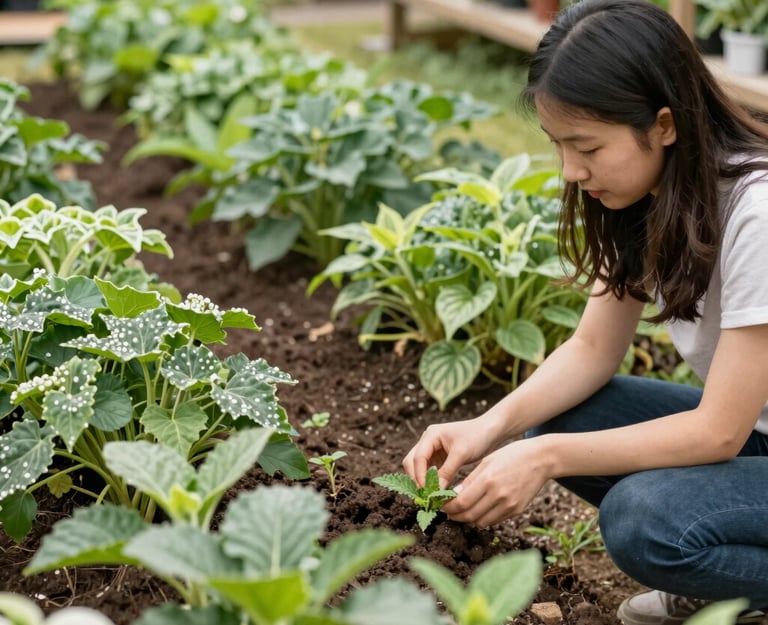
Some plants grow better together.
Popular Combinations
Tomatoes + Basil
Carrots + Onions
Lettuce + Radish
Benefits
Natural pest control
Better growth
Improved yields
🛠 Recommended Organic Gardening Products (Amazon Picks)
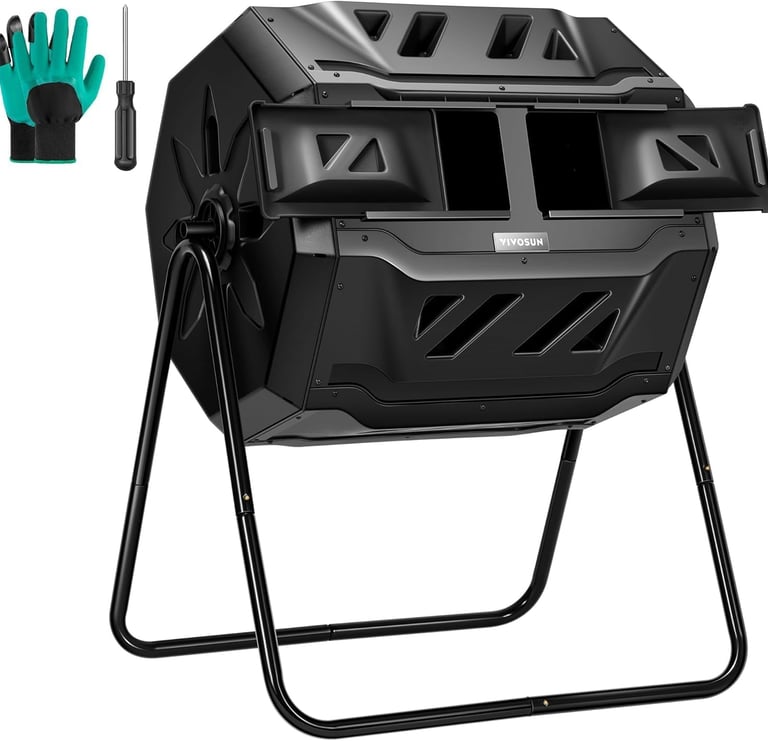
1. Compost Bin
Best For: Composting at home
Pros:
✔ Reduces waste
✔ Improves soil
✔ Easy to use
Cons:
✘ Needs maintenance
✘ Takes time
Price Range: $30–$90
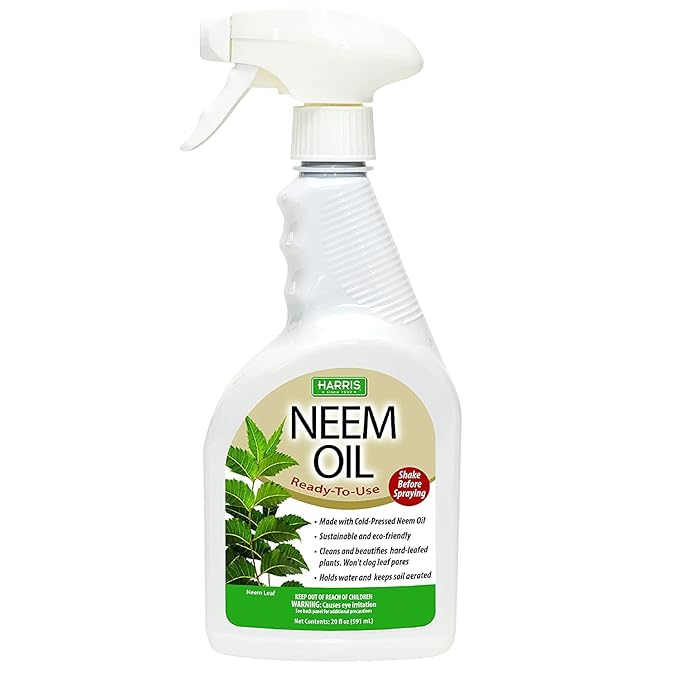
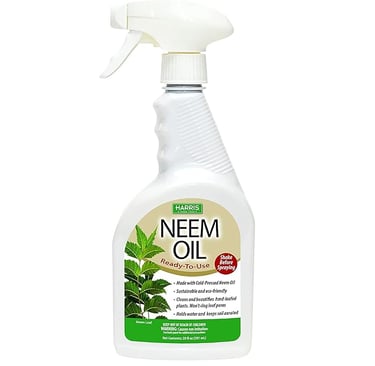
2. Neem Oil Spray
Best For: Natural pest control for plants
Pros:
✔ Organic solution
✔ Safe for vegetables
✔ Effective
Cons:
✘ Needs repeated use
Price Range: $10–$25
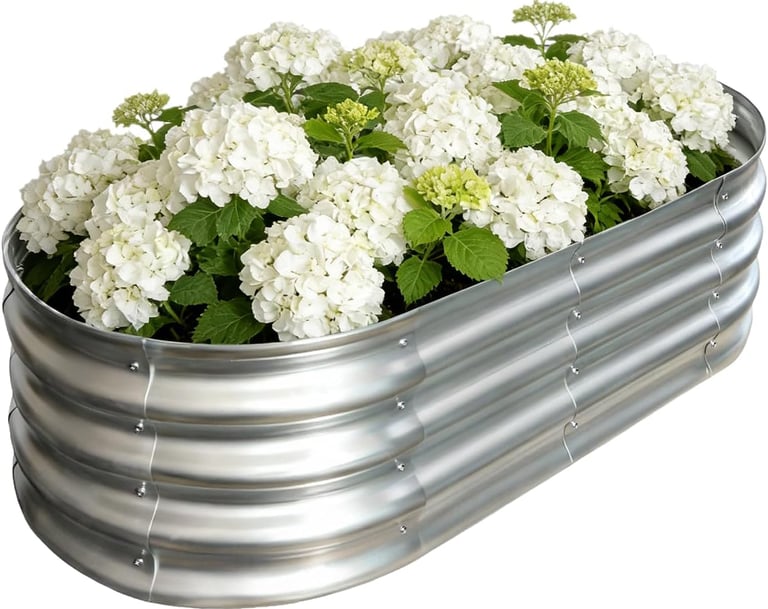
3. Raised Garden Bed Kit
Best For: Better soil control
Pros:
✔ Improved drainage
✔ Cleaner gardening
✔ Beginner-friendly
Cons:
✘ Initial setup cost
Price Range: $60–$200
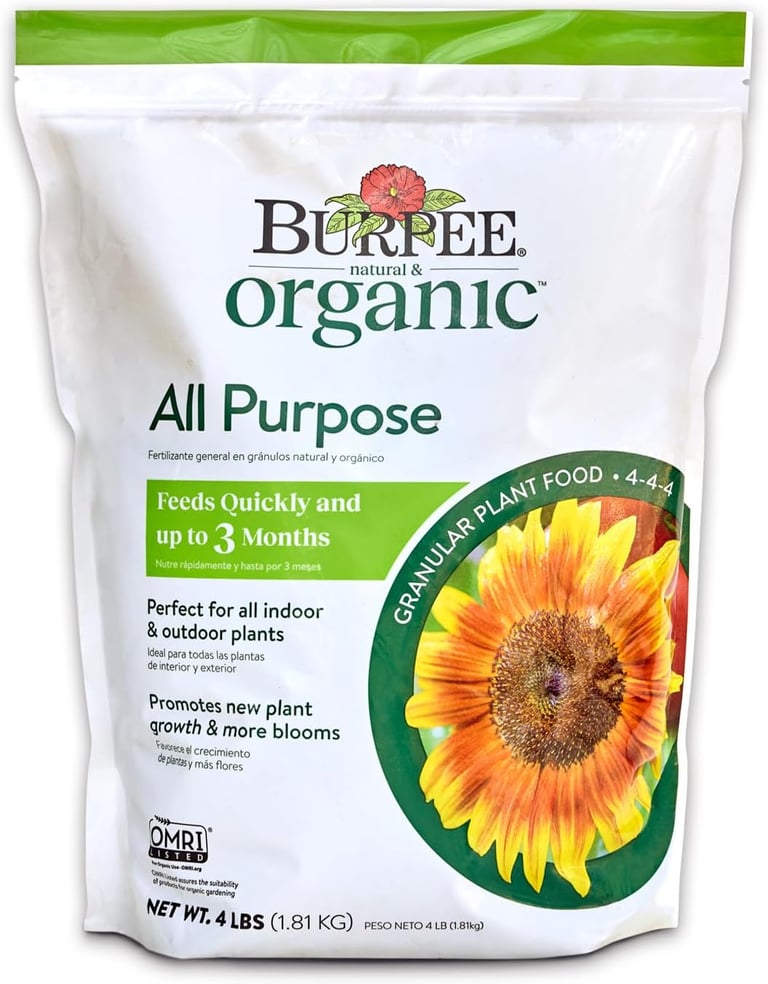
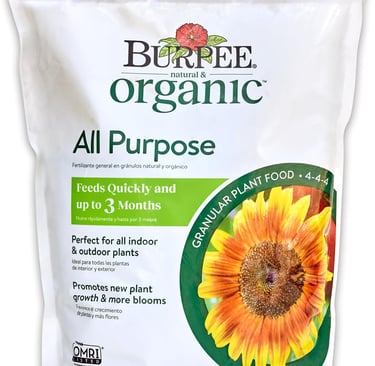
4. Organic Fertilizer
Best For: Long-term plant nutrition
Pros:
✔ Slow-release nutrients
✔ Improves soil health
Cons:
✘ Slower results
Price Range: $15–$40
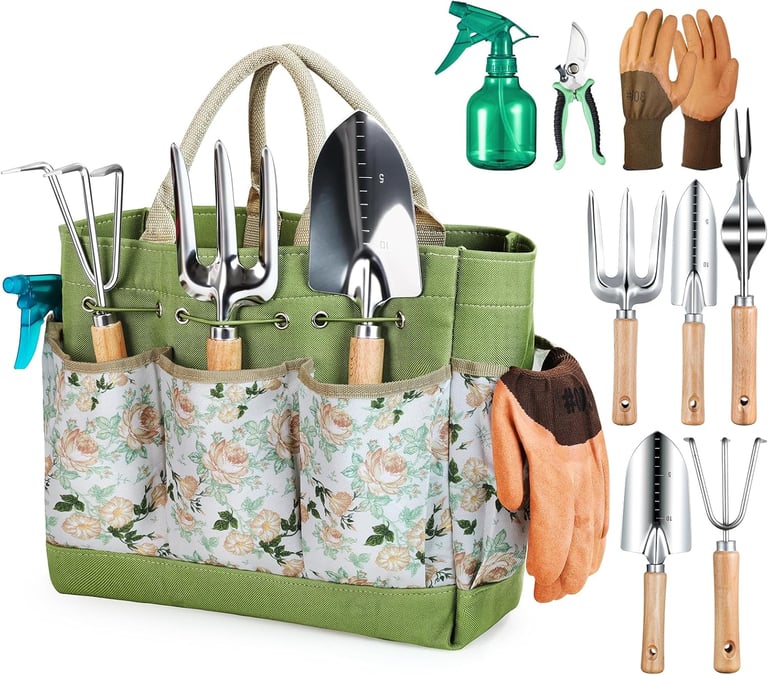
5. Garden Tool Set
Best For: Daily gardening tasks
Pros:
✔ Convenient
✔ Durable
Cons:
✘ Quality varies
Price Range: $20–$80
Affiliate Disclosure
As an Amazon Associate, HonestGardener.com earns from qualifying purchases at no extra cost to you.
Beginner-Friendly Organic Gardening Routine
If you’re just starting, follow this:
Prepare soil with compost
Plant easy crops
Add mulch
Water properly
Monitor weekly
Frequently Asked Questions (FAQ)
What are the best organic gardening tips for beginners?
Start with composting, mulching, and proper watering.
Is organic gardening expensive?
Not in the long run. It reduces the need for fertilizers and pesticides.
How long does it take to see results?
Usually within one growing season.
Can organic gardening prevent pests?
It reduces pest problems significantly by improving plant health.
Key Takeaways
Healthy soil is the foundation
Compost is essential
Water efficiently
Use natural pest control
Mulch saves time and effort
Final Thoughts: Grow Naturally, Grow Better
Organic gardening isn’t about doing more—it’s about doing things right.
Once your garden ecosystem is balanced, everything becomes easier:
Fewer pests
Stronger plants
Better harvests
Ready to transform your garden naturally?
👉 Start with composting or mulching today
👉 Explore more expert tips on HonestGardener.com and grow smarter 🌱
Want to Know More on Gardening?
Please Read :
Subscribe
Join us for tips and product reviews.
Contact
Affiliate disclaimer
© 2025. All rights reserved.
As an affiliate, we may earn a commission from qualifying purchases. We get commissions for purchases made through links on this website from Amazon and other third parties.