
How to Fix Elephant Ear Yellow Leaves: A Complete Care Guide
Struggling with elephant ear yellow leaves? Learn causes, fixes, and care tips to restore healthy, vibrant foliage fast
HOUSEPLANTS
4/8/20264 min read
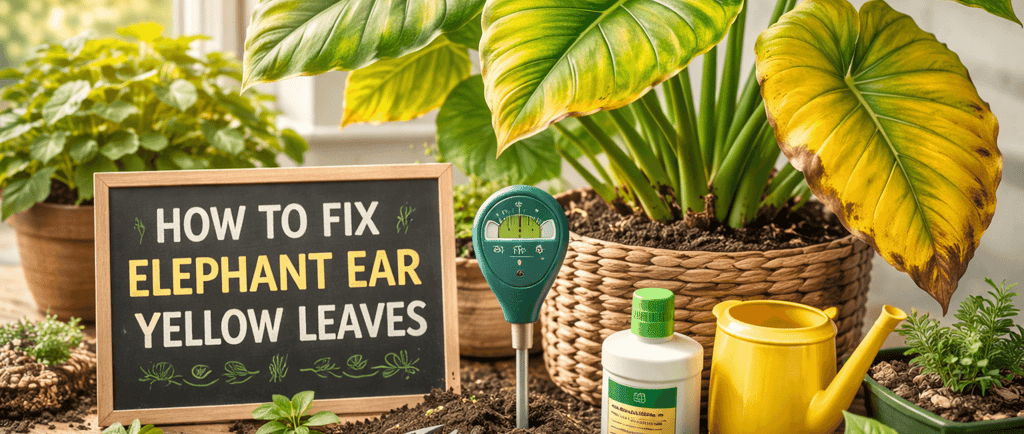
Why Your Elephant Ear Leaves Are Turning Yellow
You bought an elephant ear plant for its bold, tropical look.
Big, lush green leaves.
Fast growth.
Eye-catching beauty.
But now?
Those beautiful leaves are turning yellow—and you’re not sure why.
If you’re dealing with elephant ear yellow leaves, don’t worry—you’re not alone. This is one of the most common issues gardeners face with these plants.
The good news?
👉 Yellow leaves are usually a signal, not a disaster.
In this guide, I’ll show you:
The exact causes
Simple step-by-step fixes
How to prevent the problem long-term
What Causes Elephant Ear Yellow Leaves?
Before fixing the problem, you need to understand why it’s happening.
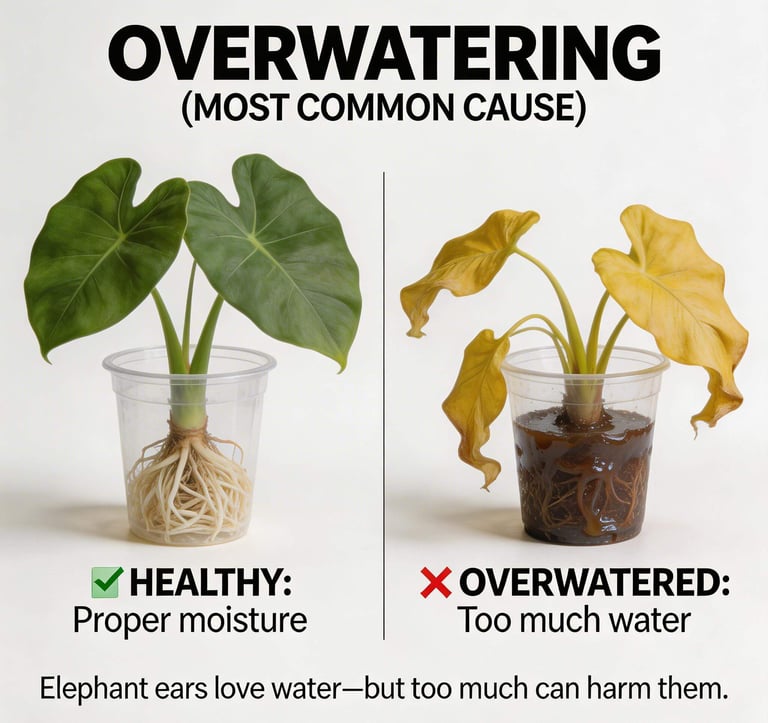
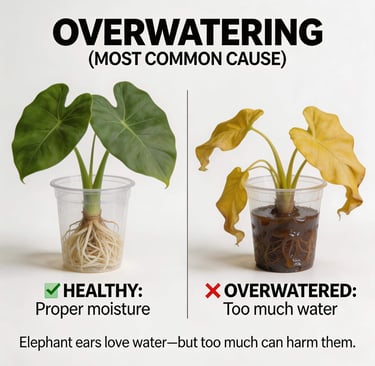
🌱 1. Overwatering (Most Common Cause)
Elephant ears love water—but too much can harm them.
Signs of Overwatering
Yellow leaves with soft texture
Drooping stems
Wet, soggy soil
How to Fix It
Let the top 2 inches of soil dry out
Improve drainage
Reduce watering frequency
Real-Life Example
A home gardener watered daily, thinking it would help. After reducing watering to 2–3 times per week, the plant recovered within weeks.
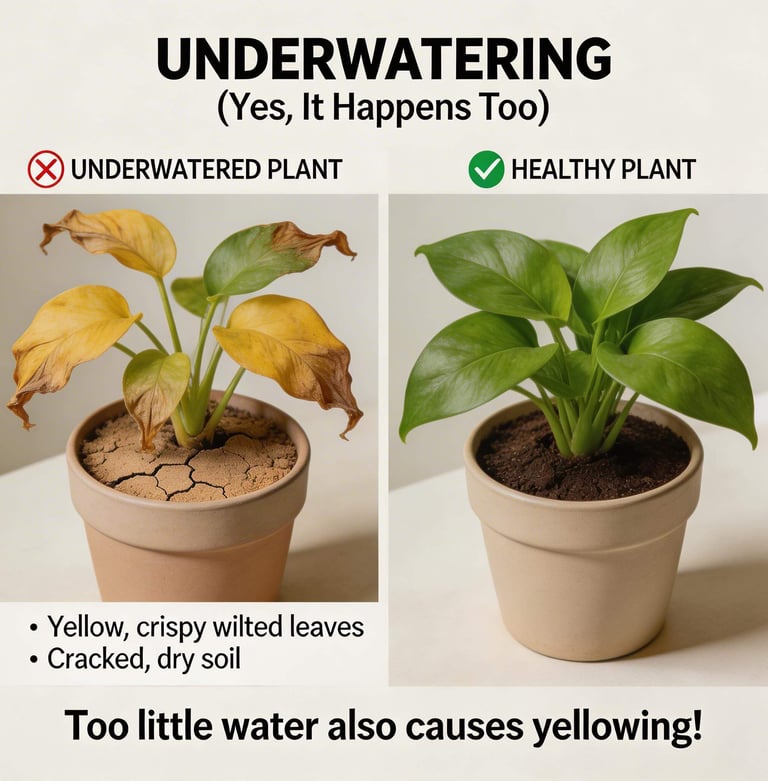
💧 2. Underwatering (Yes, It Happens Too)
On the flip side, too little water also causes yellowing.
Signs
Dry, crispy edges
Curling leaves
Slow growth
Fix
Water deeply
Maintain consistent moisture
👉 According to the University of Florida IFAS Extension, consistent watering is key for tropical plants like elephant ears.
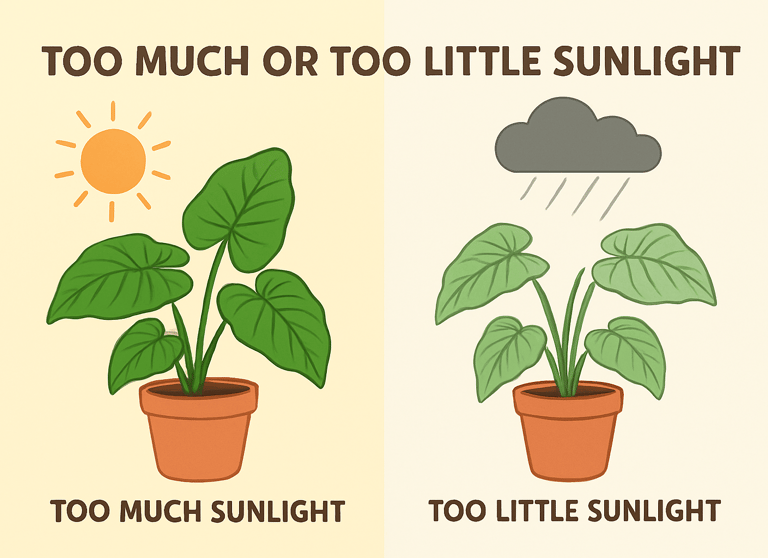
☀️ 3. Too Much or Too Little Sunlight
Elephant ears prefer bright, indirect light.
Too Much Sun
Scorched yellow patches
Too Little Light
Pale, weak leaves
Fix
Place in partial shade outdoors
Use filtered light indoors
🌿 4. Nutrient Deficiency
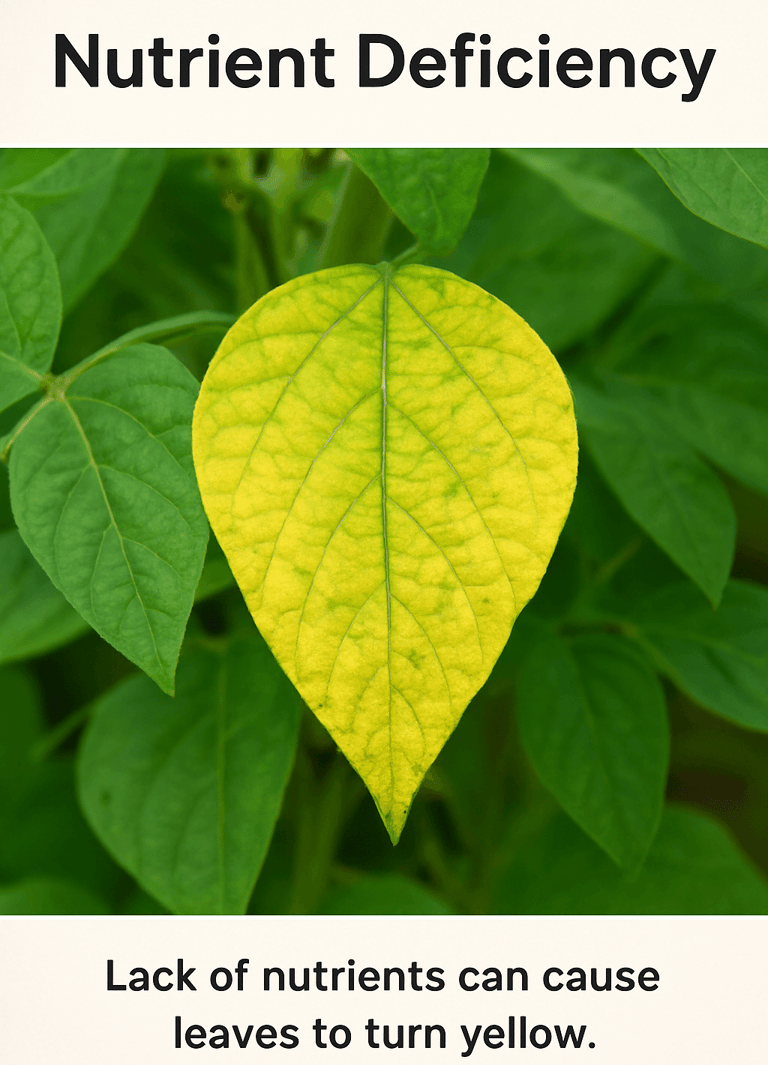
Lack of nutrients can cause leaves to turn yellow.
Common Deficiencies
Nitrogen → overall yellowing
Magnesium → yellow veins
Fix
Use balanced fertilizer
Add compost
👉 The United States Department of Agriculture recommends proper nutrient management for plant health.
🌡️ 5. Temperature Stress
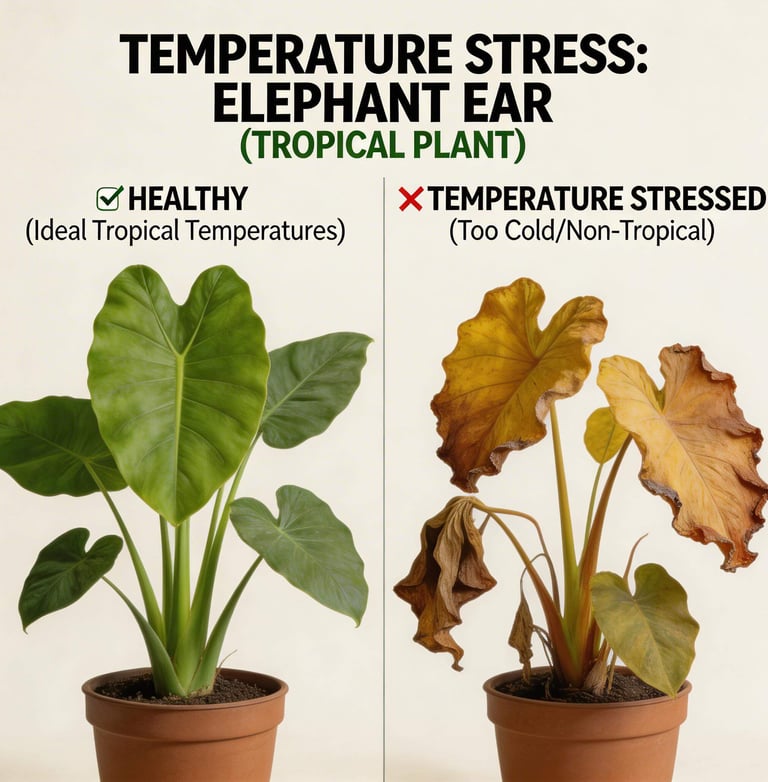
Elephant ears are tropical plants.
Problem
Cold temperatures = stress
Sudden changes = shock
Fix
Keep above 60°F (15°C)
Avoid drafts
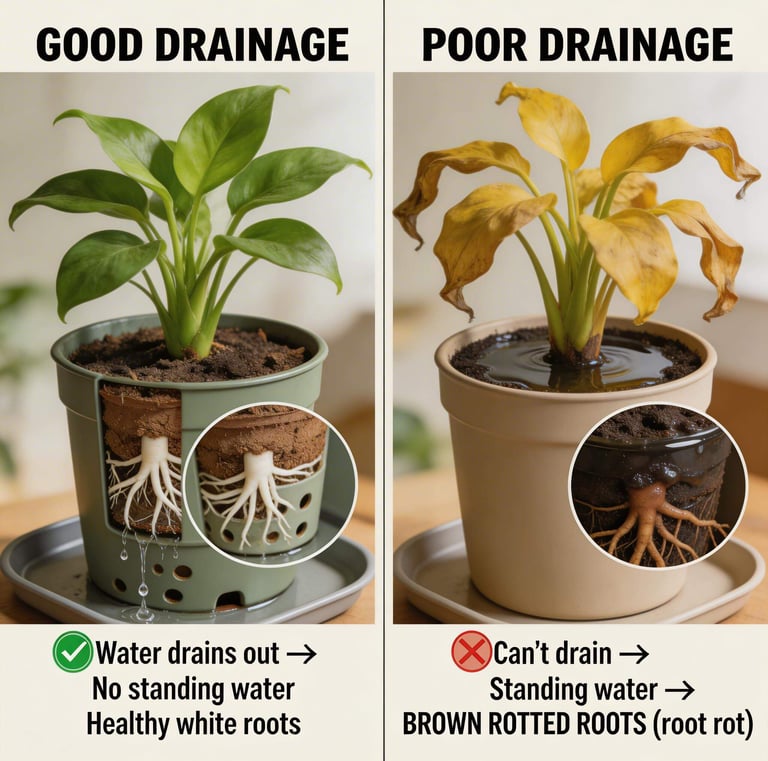
🪴 6. Poor Drainage
Even if you water correctly, poor drainage can cause root rot.
Fix
Use well-draining soil
Add perlite or sand
Ensure pot has drainage holes
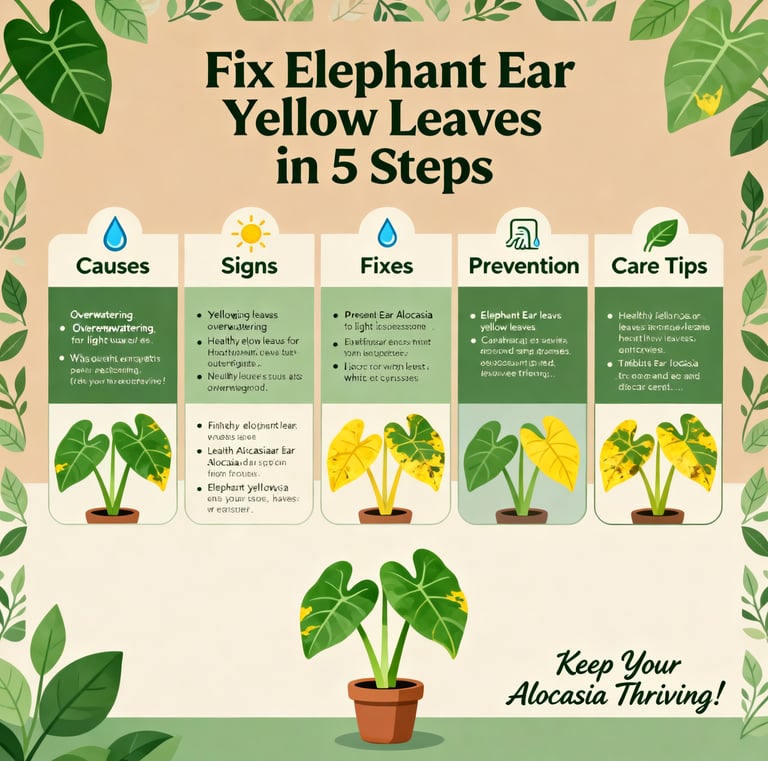
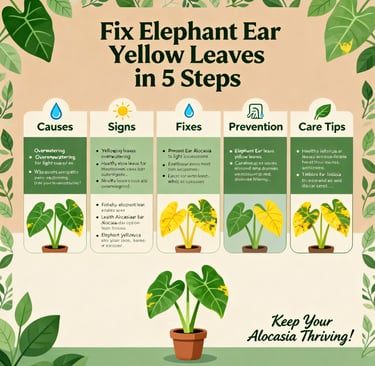
🧪 Step-by-Step: How to Fix Elephant Ear Yellow Leaves
Step 1: Check Soil Moisture
Stick your finger into the soil:
Wet → reduce watering
Dry → water deeply
Step 2: Inspect Roots
Healthy roots = white
Rotting roots = brown, mushy
Step 3: Adjust Lighting
Move plant to a spot with indirect light.
Step 4: Feed the Plant
Use a balanced fertilizer every 2–4 weeks.
Step 5: Remove Yellow Leaves
Cut off damaged leaves
Helps plant focus on new growth
🌿 Beginner Tips for Healthy Elephant Ear Plants
Keep soil moist but not soggy
Use large containers for growth
Mist leaves for humidity
Monitor regularly
⚠️ Common Mistakes to Avoid
Watering on a fixed schedule (instead of checking soil)
Using poor-quality soil
Ignoring drainage
Over-fertilizing
🛠 Recommended Products (Amazon Picks)


1. Moisture Meter
Best For: Preventing overwatering
Pros:
✔ Easy to use
✔ Accurate readings
Cons:
✘ Needs calibration
Price Range: $10–$35
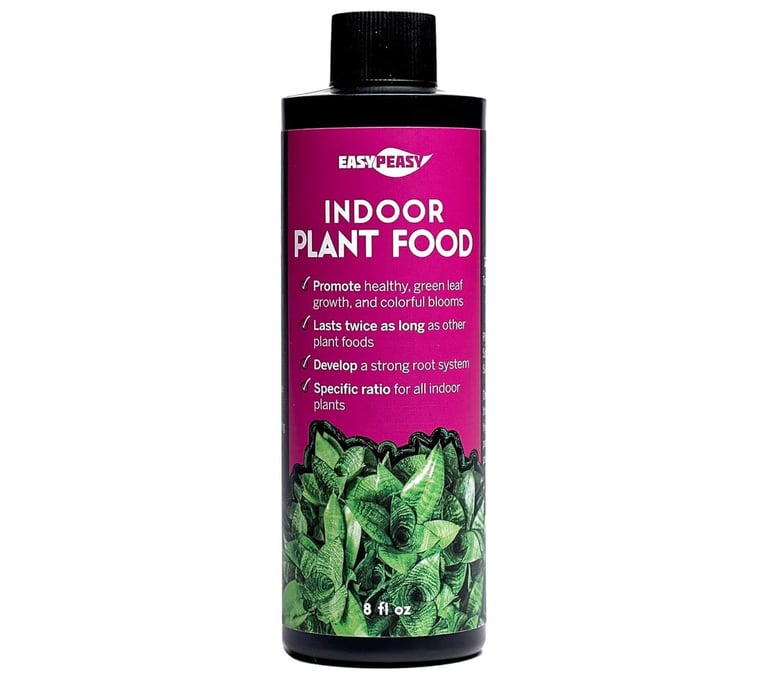

2. Indoor Plant Fertilizer
Best For: Nutrient boost
Pros:
✔ Balanced nutrients
✔ Easy application
Cons:
✘ Needs regular use
Price Range: $10–$30
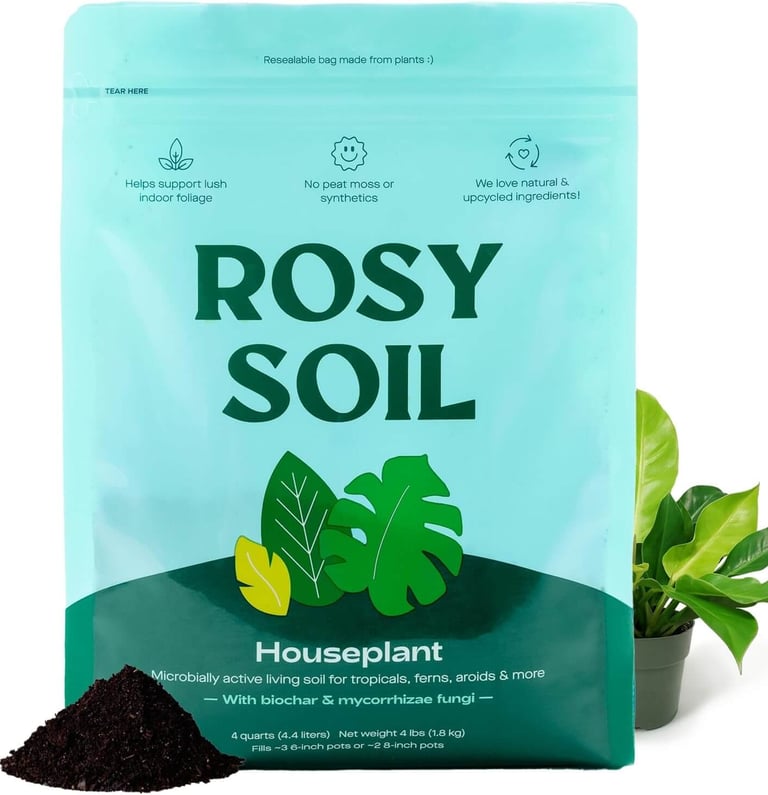
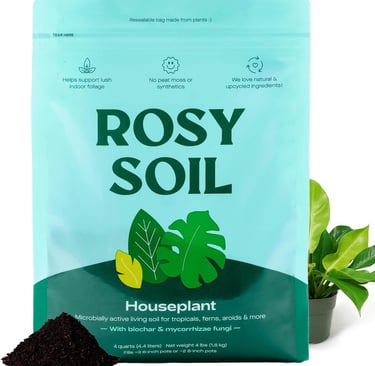
3. Well-Draining Potting Mix
Best For: Healthy roots
Pros:
✔ Improves drainage
✔ Prevents root rot
Cons:
✘ Slightly expensive
Price Range: $15–$40
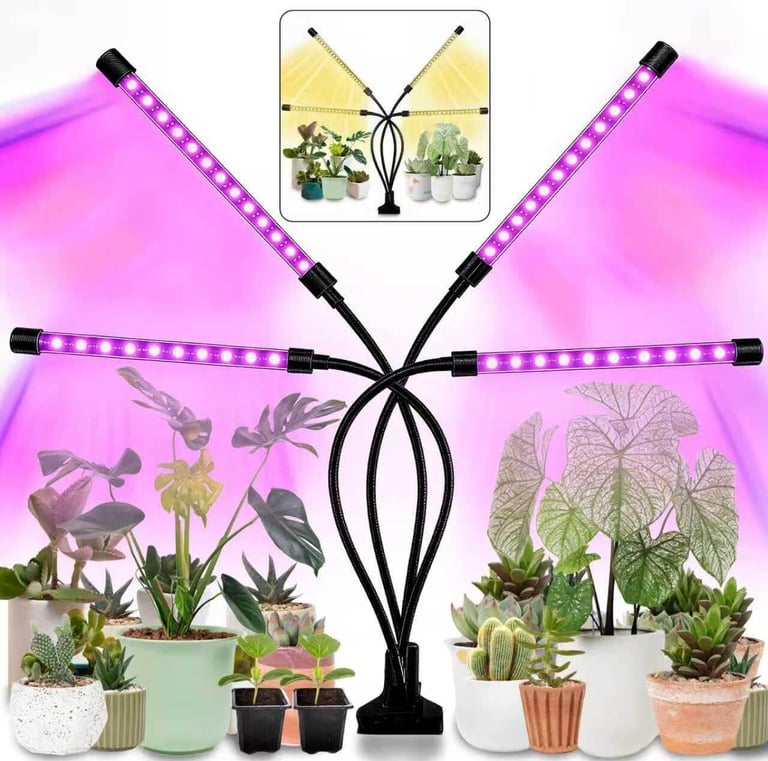
4. Plant Grow Light
Best For: Indoor plants
Pros:
✔ Supports growth
✔ Easy setup
Cons:
✘ Electricity cost
Price Range: $20–$80


5. Humidity Tray
Best For: Tropical plants
Pros:
✔ Increases humidity
✔ Low cost
Cons:
✘ Needs refilling
Price Range: $10–$25
👉 Indoor Gardening Supplies Guide
Affiliate Disclosure
As an Amazon Associate, HonestGardener.com earns from qualifying purchases at no extra cost to you.
🌿 Real-Life Scenario
A gardener noticed yellowing leaves after moving their plant indoors.
The issue?
👉 Low light + overwatering.
After adjusting light and watering:
New leaves grew green
Old leaves stopped yellowing
❓ Frequently Asked Questions (FAQ)
Why are my elephant ear leaves turning yellow?
Most commonly due to overwatering or poor drainage.
Should I cut yellow leaves off?
Yes, it helps the plant focus on healthy growth.
How often should I water?
2–3 times per week, depending on soil moisture.
Can yellow leaves turn green again?
No—but new growth will be healthy once the issue is fixed.
📌 Key Takeaways
Overwatering is the #1 cause
Proper light is essential
Good drainage prevents root rot
Regular monitoring is key
🌿 Final Thoughts: Don’t Panic—Fix the Root Cause
Yellow leaves can feel frustrating—but they’re actually helpful signals.
Once you understand what your plant needs, recovery is simple.
Ready to bring your elephant ear plant back to life?
👉 Start by checking your watering and lighting today
👉 Explore more expert plant care guides on HonestGardener.com 🌱
Subscribe
Join us for tips and product reviews.
Contact
Affiliate disclaimer
© 2025. All rights reserved.
As an affiliate, we may earn a commission from qualifying purchases. We get commissions for purchases made through links on this website from Amazon and other third parties.