Sustainable Gardening Practices: The Complete Guide to Growing More While Using Less
Learn sustainable gardening practices to save water, reduce waste, and grow healthier plants naturally with simple eco-friendly methods.
ECO-FRIENDLY GARDENING
4/5/20264 min read
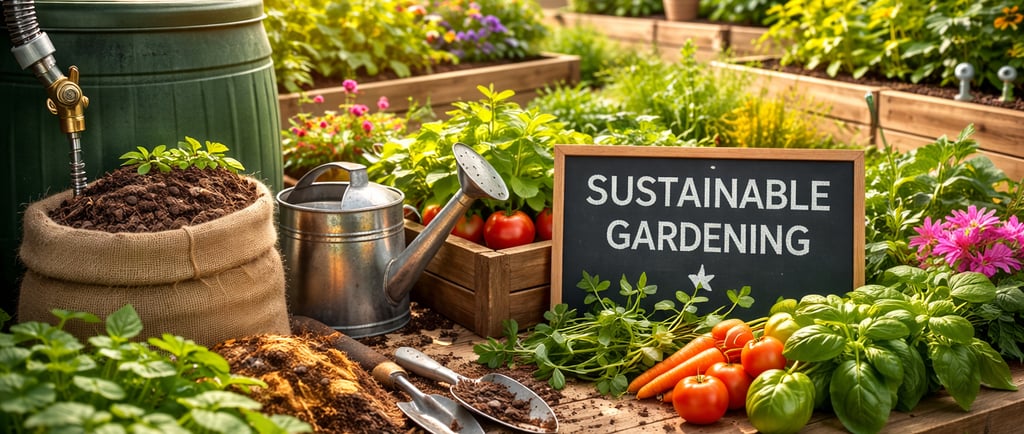
Introduction: Why Traditional Gardening Isn’t Working Anymore
You water your garden regularly.
You try fertilizers.
You do everything “right.”
But still, something feels off.
Your soil dries out too fast.
Plants struggle in extreme weather.
You spend more time fixing problems than enjoying your garden.
That’s because many traditional methods are not built for long-term success.
This is where sustainable gardening practices come in.
Instead of constantly reacting to problems, sustainable gardening helps you prevent them naturally—saving time, money, and effort while improving plant health.
In this guide, I’ll walk you through practical, real-world techniques you can start today—whether you’re a beginner or looking to upgrade your garden.
What Are Sustainable Gardening Practices?
Sustainable gardening focuses on:
Conserving resources
Improving soil health
Reducing waste
Supporting natural ecosystems
In simple terms:
👉 Grow more while using less.
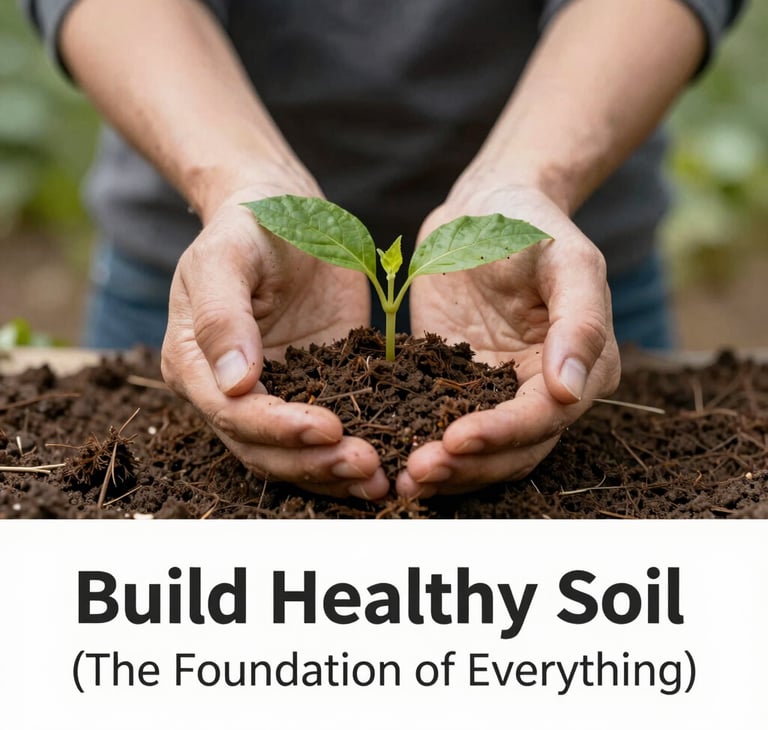
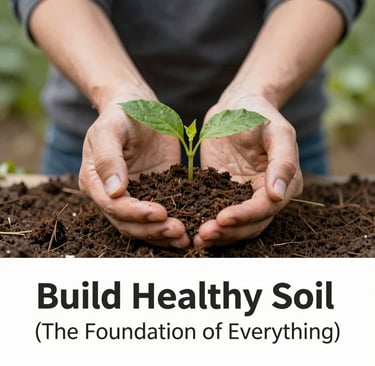
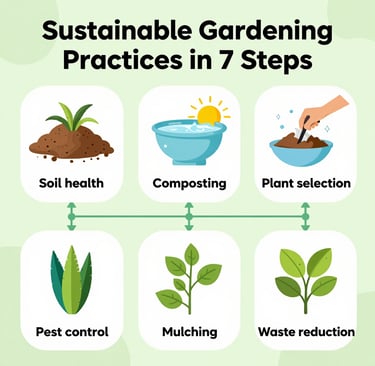
1. Build Healthy Soil (The Foundation of Everything)
If your soil is healthy, everything else becomes easier.
Why Soil Matters
Healthy soil:
Holds water longer
Provides nutrients naturally
Supports beneficial organisms
Step-by-Step: Improve Soil Naturally
Add compost regularly
Mix organic matter (leaves, grass clippings)
Avoid chemical fertilizers
Use mulch to protect soil
Real-Life Example
A backyard gardener reduced watering needs by nearly 50% after improving soil with compost and mulch.
👉 According to the United States Department of Agriculture, soil health directly impacts plant productivity and water efficiency.
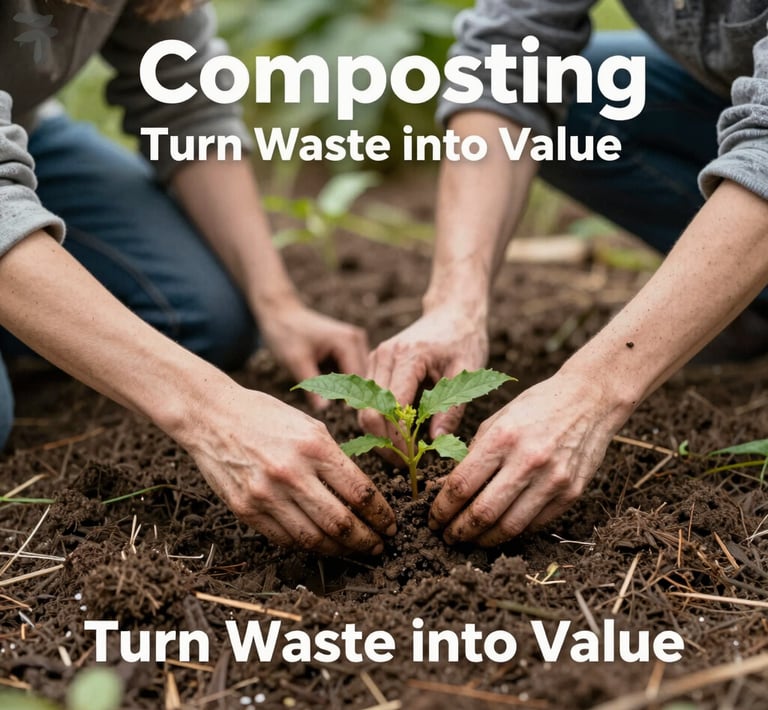
2. Composting: Turn Waste Into Value
Instead of throwing away kitchen waste, turn it into nutrients.
What to Compost
Fruit and vegetable scraps
Coffee grounds
Eggshells
Dry leaves
Benefits
Reduces waste
Improves soil
Saves money
Beginner Tip
Start small—use a simple compost bin before scaling up.
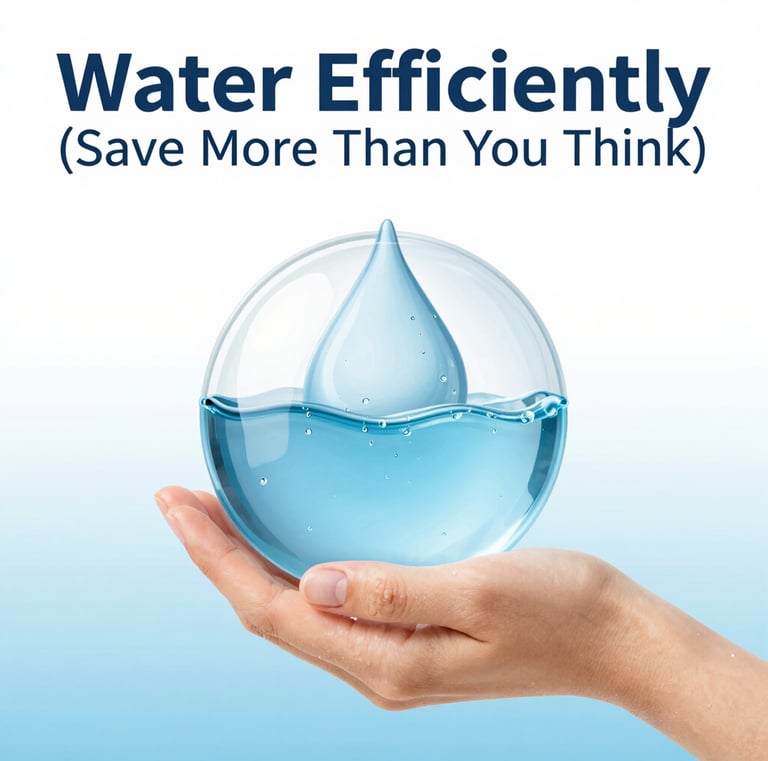
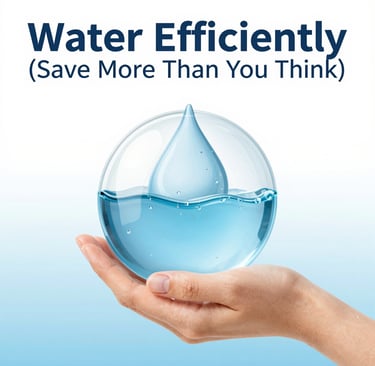
3. Water Efficiently (Save More Than You Think)
Water is one of the most wasted resources in gardening.
Water Saving Gardening Techniques
Water early morning
Use drip irrigation
Collect rainwater
Add mulch to retain moisture
👉 Research from University of California Agriculture and Natural Resources shows efficient watering improves plant growth and reduces waste.
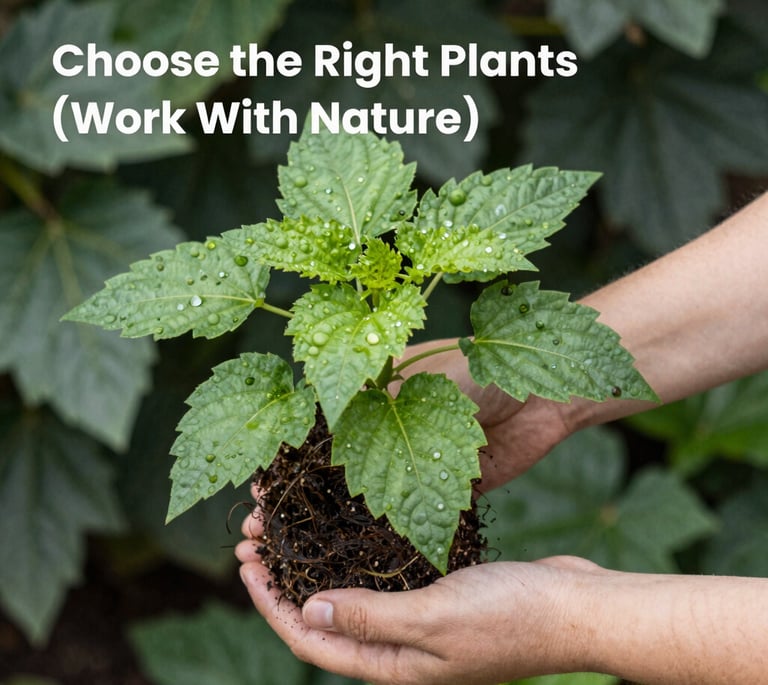
4. Choose the Right Plants (Work With Nature)
Not every plant thrives everywhere.
Best Sustainable Choices
Native plants
Drought-tolerant plants
Seasonal crops
Why This Works
These plants:
Need less water
Require less maintenance
Resist pests naturally
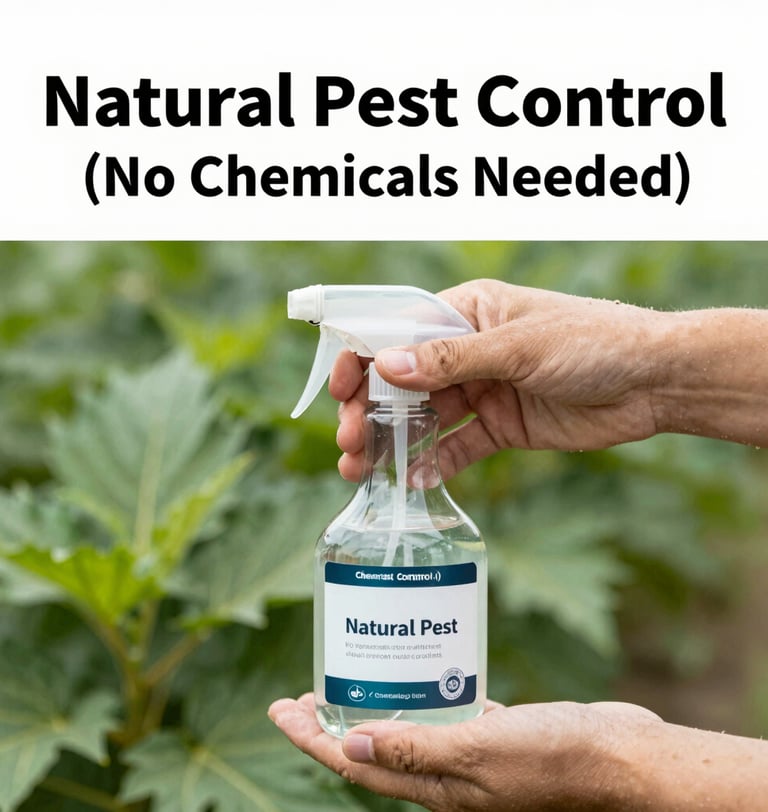
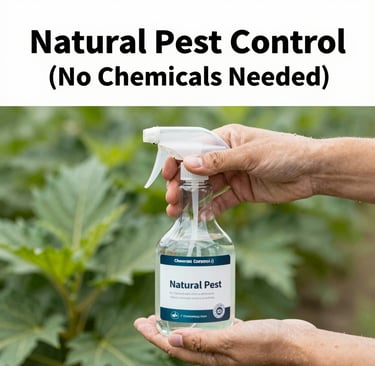
5. Natural Pest Control (No Chemicals Needed)
Pests are part of gardening—but chemicals aren’t the solution.
Eco Friendly Gardening Tips for Pest Control
Neem oil spray
Companion planting
Hand removal
Encourage beneficial insects
Real Scenario
A gardener replaced chemical sprays with neem oil and companion planting—and saw fewer pests within weeks.
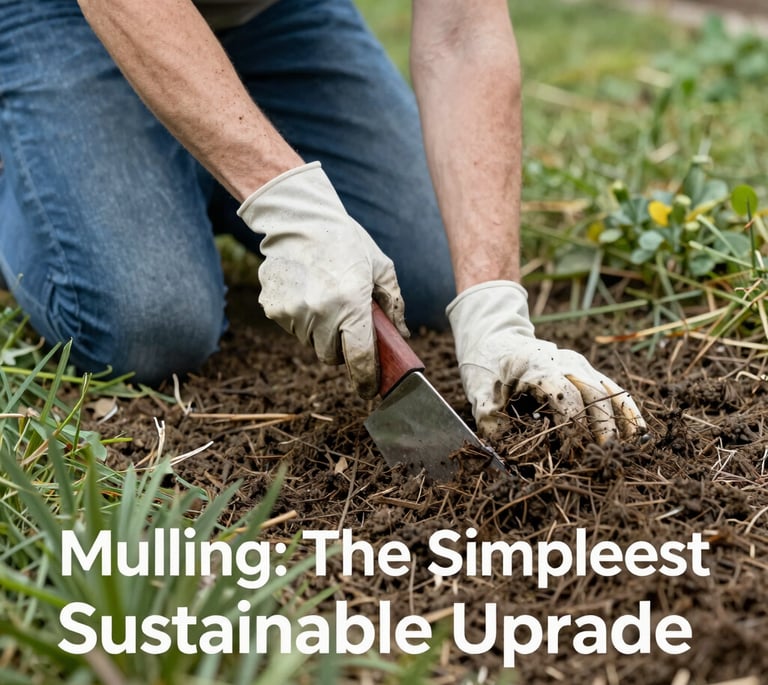
6. Mulching: The Simplest Sustainable Upgrade
Mulch is one of the easiest ways to improve your garden.
Benefits of Mulch
Retains moisture
Reduces weeds
Improves soil over time
Best Mulch Types
Straw
Wood chips
Grass clippings
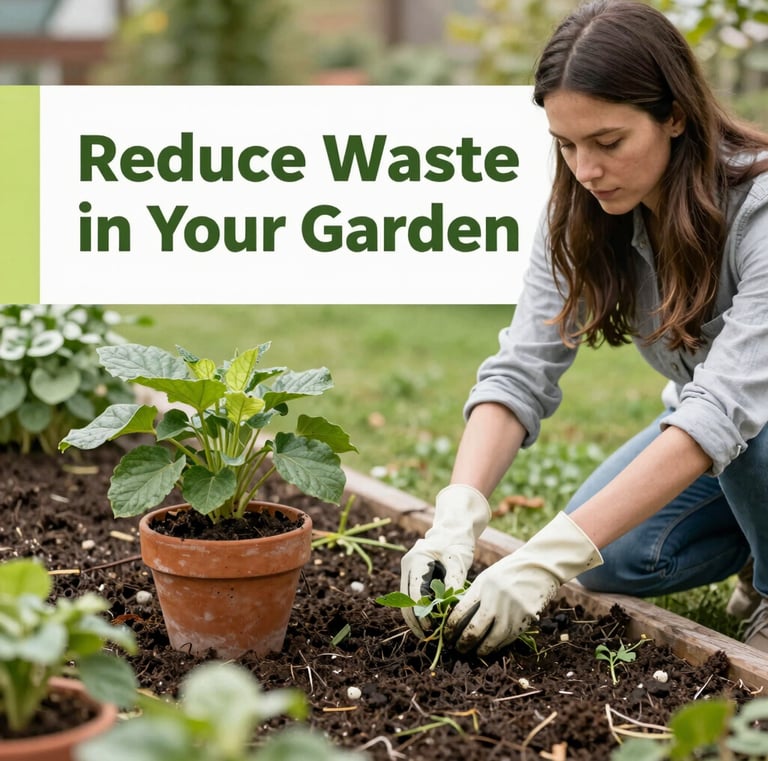
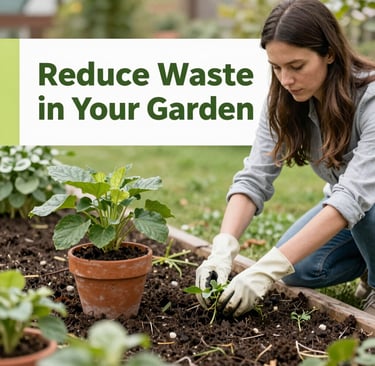
7. Reduce Waste in Your Garden
Sustainability isn’t just about plants—it’s about minimizing waste.
Simple Ideas
Reuse containers as planters
Use leaves as mulch
Compost all organic waste
This creates a closed-loop system where nothing is wasted.
🛠 Recommended Sustainable Gardening Products (Amazon Picks)
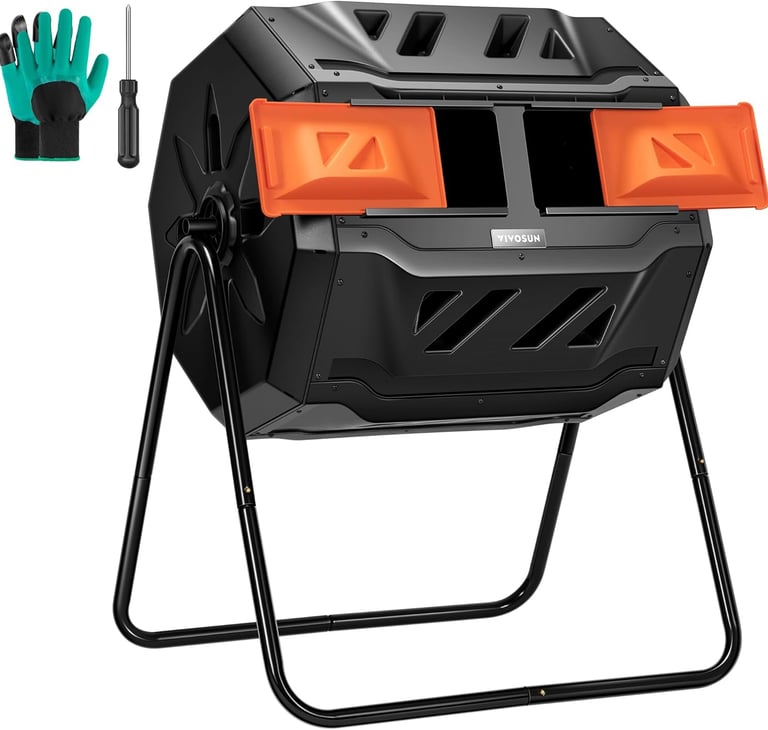
1. Compost Bin
Best For: Turning waste into fertilizer
Pros:
✔ Reduces waste
✔ Improves soil
✔ Eco-friendly
Cons:
✘ Requires maintenance
Price Range: $30–$90
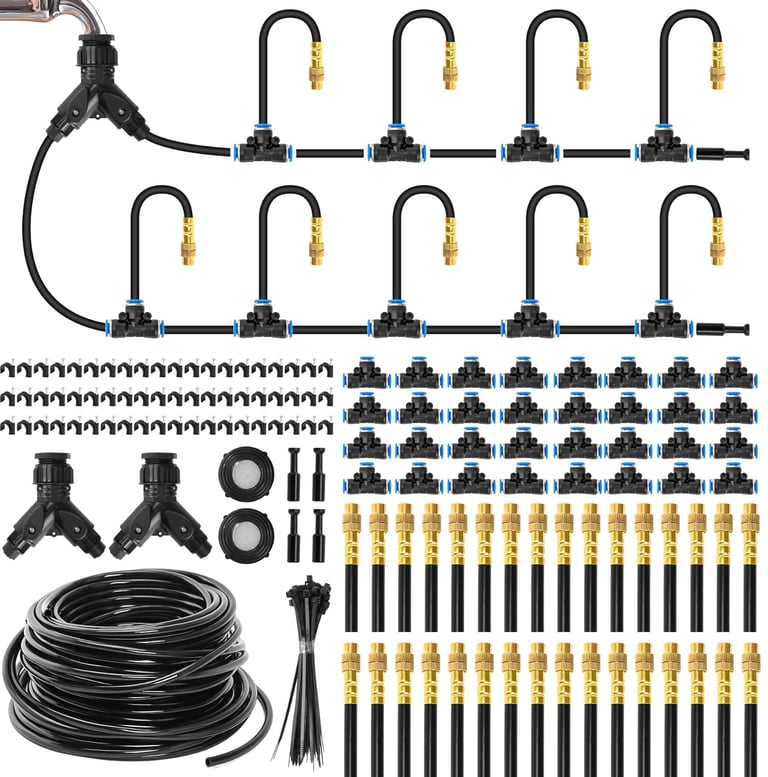
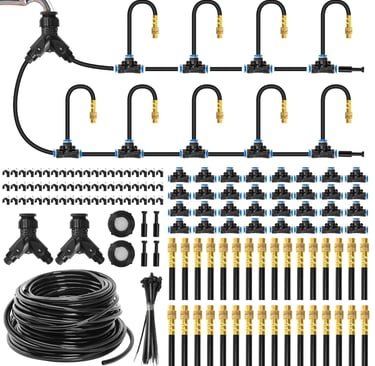
2. Drip Irrigation Kit
Best For: Water saving
Pros:
✔ Efficient watering
✔ Saves time
✔ Reduces water waste
Cons:
✘ Setup required
Price Range: $25–$80
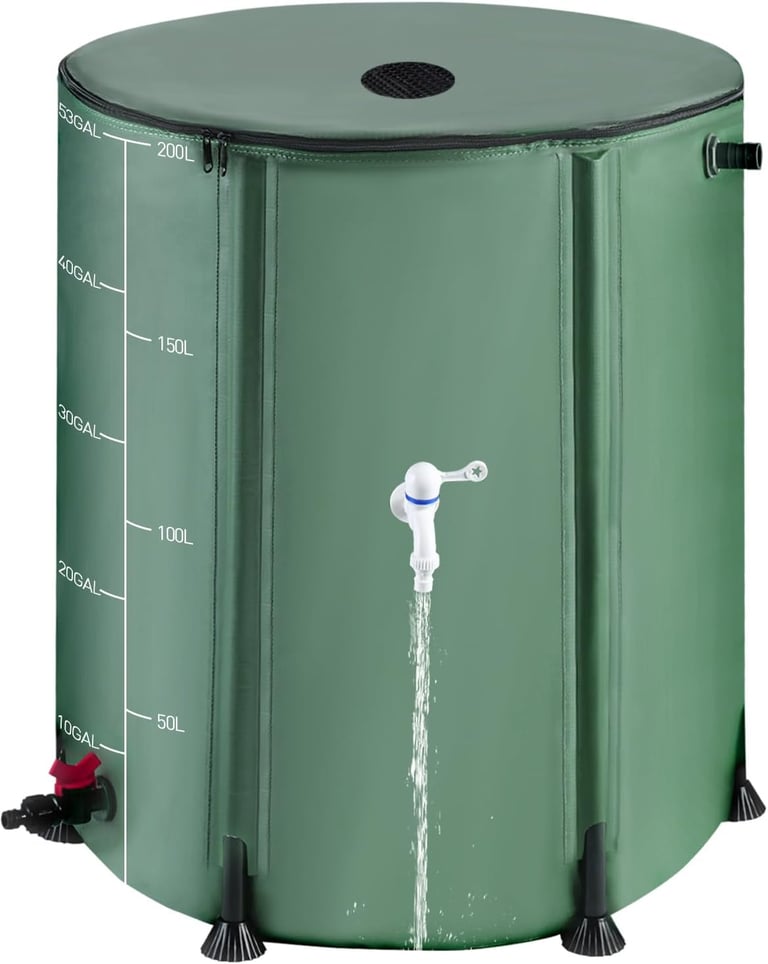
3. Rain Barrel
Best For: Collecting rainwater
Pros:
✔ Free water source
✔ Eco-friendly
Cons:
✘ Needs space
Price Range: $50–$150
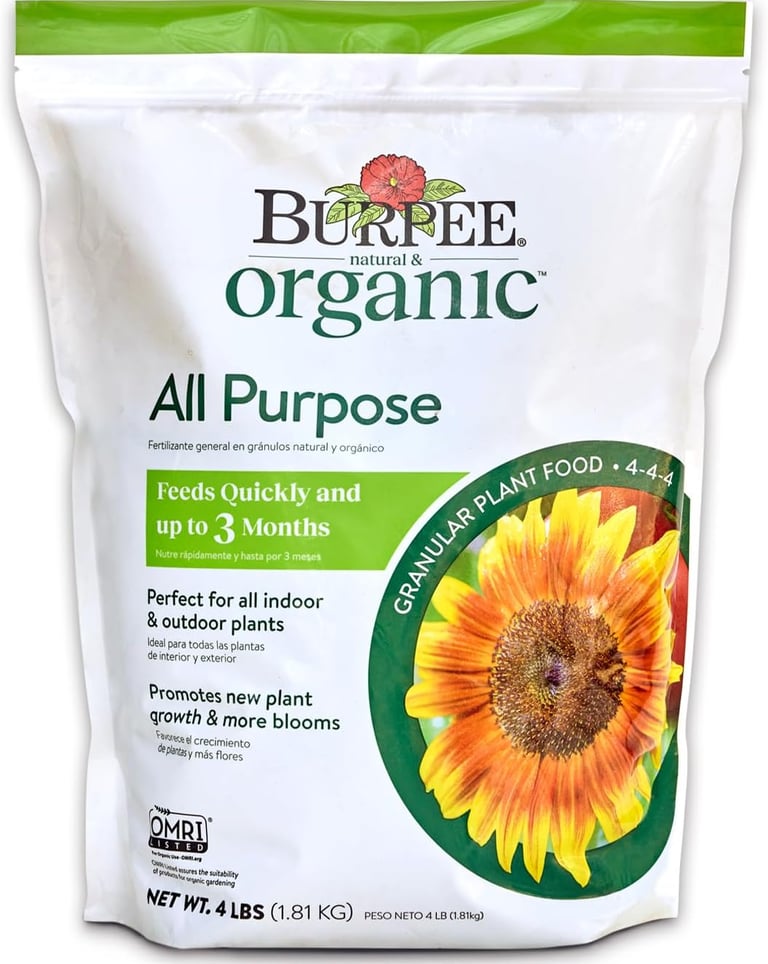
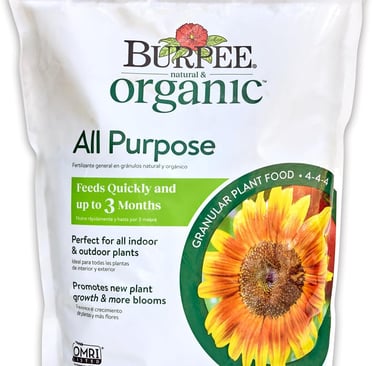
4. Organic Fertilizer
Best For: Soil improvement
Pros:
✔ Natural nutrients
✔ Safe for plants
Cons:
✘ Slower results
Price Range: $15–$40
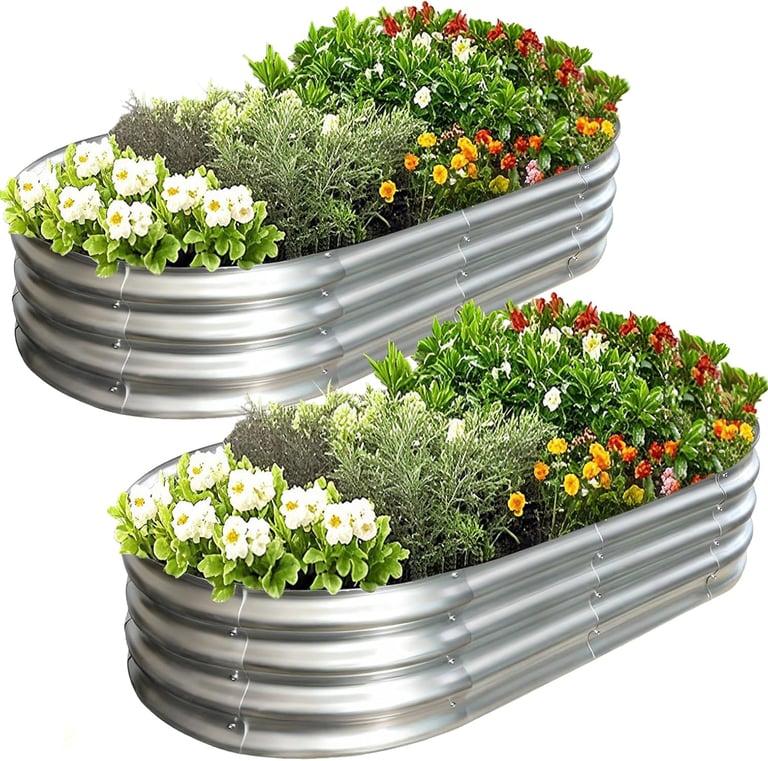
5. Raised Garden Bed Kit
Best For: Efficient gardening
Pros:
✔ Better drainage
✔ Easier maintenance
Cons:
✘ Initial cost
Price Range: $60–$200
👉 Advantages to Raised Garden Beds on HonestGardener.com
Affiliate Disclosure
As an Amazon Associate, HonestGardener.com earns from qualifying purchases at no extra cost to you.
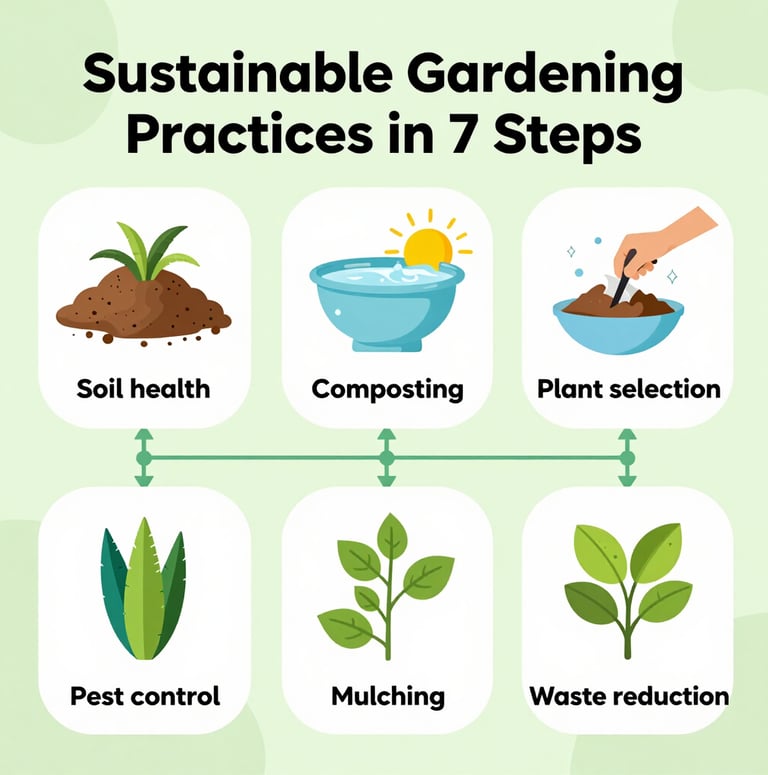
Beginner-Friendly Sustainable Gardening Routine
Start simple:
Improve soil with compost
Add mulch
Water efficiently
Choose the right plants
Monitor regularly
Frequently Asked Questions (FAQ)
What are sustainable gardening practices?
Methods that conserve resources and support long-term plant health.
Is sustainable gardening expensive?
No—it often saves money over time.
How do I start sustainable gardening?
Begin with composting, mulching, and efficient watering.
Can sustainable gardening improve yield?
Yes—healthy systems produce better results.
Key Takeaways
Soil health is the foundation
Compost reduces waste and improves growth
Water efficiency is essential
Natural pest control works
Small changes create big results
Final Thoughts: Grow Smarter, Not Harder
Sustainable gardening isn’t complicated—it’s intentional.
When you focus on long-term health instead of quick fixes, your garden becomes:
Easier to manage
More productive
More enjoyable
Ready to build a smarter, eco-friendly garden?
👉 Start with one simple change today—composting or mulching
👉 Explore more expert tips on HonestGardener.com 🌱
Want to Know More on Gardening?
Please Read :
Organic Gardening Tips: A Complete Beginner-to-Expert Guide for Healthy, Chemical-Free Plants
Indoor Gardening Supplies: What You Actually Need to Grow Healthy Plants Indoors
Fast Growing Vegetables: An Evidence-Based Guide for Home Gardeners
Subscribe
Join us for tips and product reviews.
Contact
Affiliate disclaimer
© 2025. All rights reserved.
As an affiliate, we may earn a commission from qualifying purchases. We get commissions for purchases made through links on this website from Amazon and other third parties.